I Got This (November 2013) is Arly Larivière’s most introspective Nu-Look album, marking his full artistic maturation as sole frontman. Released two years after the international breakthrough *Confirmation* (2011), this record synthesizes contemporary konpa production with sophisticated lyrical psychology—exploring male vulnerability, romantic asymmetry, and social alienation while honoring genre tradition.
The album demonstrates that konpa, often dismissed as party music in North American contexts, remains capable of substantial artistic and emotional expression.
Arly Larivière: Twenty Years of Musical Development
Arly Larivière (born August 22, 1972, in Cap-Haïtien) represents a rare combination of hereditary musical training and professional evolution. His father was a composer and conductor for Orchestre Tropicana, Haiti’s legendary ensemble, grounding Larivière in classical composition from childhood. He performed with multiple Haitian bands throughout the 1990s before establishing Nu-Look in 2000 with percussionist Gazzman “Couleur” Pierre.
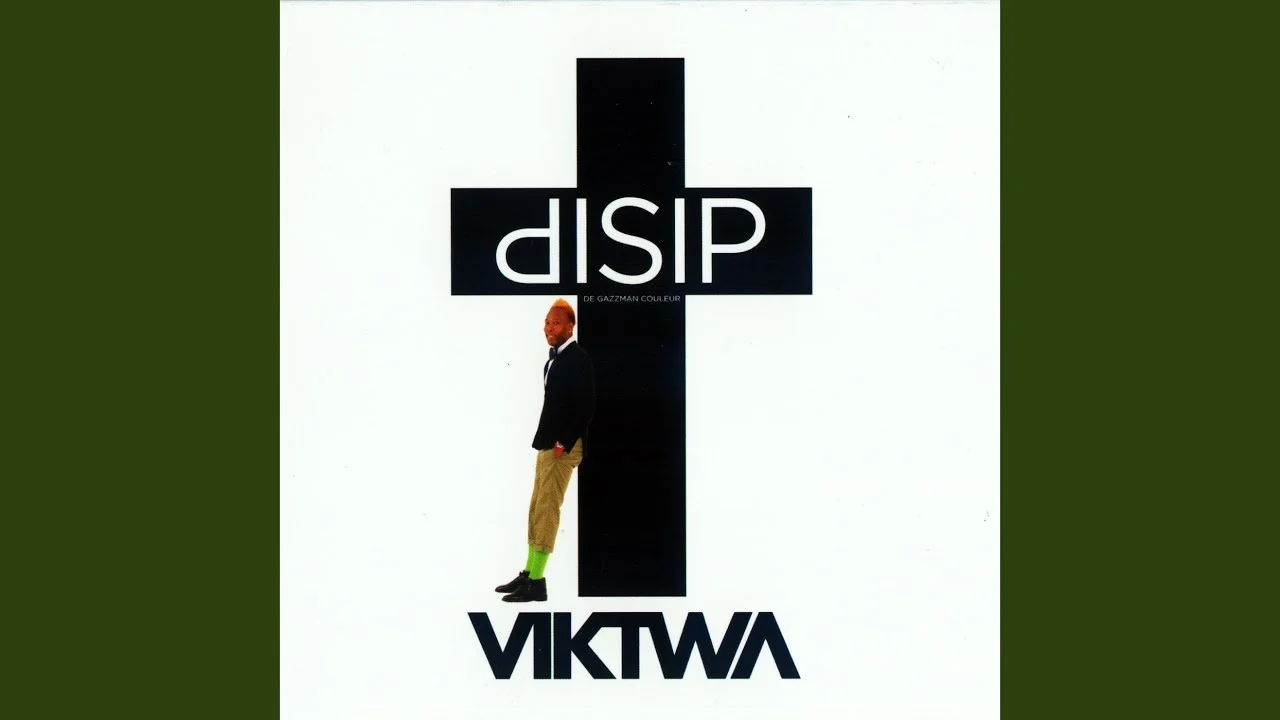
The band’s early albums—Big Mistake (2002) and Still News (2004)—established Nu-Look as innovative contemporary konpa artists. Gazzman’s departure in January 2010 to form his own band (dISIp) marked a critical turning point. After a brief tenure by secondary vocalist Edersse “Pipo” Stanis (2010–2012), Larivière made the artistic decision to continue as sole frontman beginning with Confirmation (2011).
Confirmation achieved what neither earlier Nu-Look iteration nor many Haitian diaspora acts accomplish: international success beyond traditional Haitian audiences. The track “Wasn’t Meant to Be” became a turning point, expanding the band’s reach into French Antilles markets and attracting younger listeners unfamiliar with konpa’s deeper traditions.
By 2013, Larivière was performing as a mature artist with over twenty years of professional experience and two years as an established solo frontman.
Konpa Music in 2013: Historical Context and Production Landscape
Konpa (also spelled kompas or compas) originated in 1955 when Nemours Jean-Baptiste revolutionized Haitian méringue by introducing structured rhythmic arrangements, electric guitars, saxophones, and professional horn sections. By the 2010s, the genre had evolved into multiple stylistic approaches within a single production ecosystem.
In December 2025, UNESCO officially designated konpa as intangible cultural heritage of humanity, recognizing its centuries of influence on Caribbean music, diaspora identity, and cultural preservation. This 2025 recognition validates what Haitian musicians had long known: konpa is not entertainment alone but a sophisticated art form expressing national identity and social commentary.
By 2013, konpa production could be categorized into several approaches: traditional orchestra-based konpa with live brass sections; contemporary konpa-fusion with keyboard-driven smaller ensembles; zouk-influenced romantic ballads; and rap-influenced konpa incorporating spoken verses. I Got This engages all four vectors, demonstrating Larivière’s fluency across contemporary production trends while maintaining traditional songwriting discipline.
Album Thematic Framework: Male Introspection and Psychological Complexity
The album’s central premise is signaled by its title and carried throughout: the male narrator asserts competence and self-sufficiency while simultaneously revealing the psychological cost of that posture. This theme recurs throughout Haitian popular music and broader Caribbean masculinity discourse, but Larivière’s execution differentiates I Got This.
Rather than presenting masculine assertion as triumphant resolution, the album explores the vulnerability underlying male posturing. The narrator is financially burdened, romantically one-sided, socially isolated, and emotionally exhausted. The recurring “I got this” refrain functions as both assertion and self-deception—a psychological coping mechanism rather than genuine confidence. This nuance distinguishes the album from simpler contemporary konpa, which typically celebrates romantic conquest or male authority without psychological examination.
Track-by-Track Analysis: Songwriting and Production
1. “Konfye ak Mefyans” (Trust and Suspicion)
Production approach: Traditional konpa rhythm foundation with prominent saxophone, synthesizer harmonics, and controlled baritone vocal delivery. The arrangement prioritizes lyrical clarity over vocal virtuosity, suggesting a singer confident enough not to oversell.

Thematic content: The song establishes the album’s philosophical cornerstone: human relationships are fundamentally unstable. Even close friendships contain potential betrayal. The narrator positions this not as cynicism but as experiential wisdom. The formal achievement lies in maintaining a consistent, almost liturgical rhythmic structure while lyrics spiral through increasingly paranoid observations about friendship’s fragility.
2. “Confessions”
Musicological choice: Mid-tempo konpa in minor key—unusual for contemporary konpa, which emphasizes major-key, dance-friendly constructions. Electric bass drives the rhythmic foundation; keyboard harmonies and restrained brass create emotional restraint. Layered vocal harmonies suggest internal conflict.
Lyrical theme: Romantic relationship strain intensified by external social pressure. The narrator’s family has rejected the relationship; social judgment haunts him; his commitment to a long-term partner conflicts with societal short-term expectations. This track articulates a diaspora-specific experience: maintaining transnational relationships while managing family skepticism and social isolation.
3. “Busted” (featuring PJay)
Genre fusion approach: The song blends traditional konpa rhythm with contemporary hip-hop spoken-word sections performed by featured artist PJay. This cross-genre synthesis bridges older konpa listeners with younger hip-hop audiences, demonstrating sophisticated understanding of market demographics without compromising artistic integrity.

Satirical content: The song deconstructs performative masculinity. A male narrator claims employment, expensive car ownership, and residential independence. His actual situation: unemployed, borrowing dented vehicles, living with his mother. PJay’s interjections provide comedic puncture while advancing the album’s broader critique of false machismo.
This track succeeds because it balances competing demands: the konpa foundation satisfies traditional listeners; hip-hop elements appeal to younger audiences; satirical content engages both. Production integrity remains uncompromised despite genre-blending.
4. “L’âme soeur” (Soulmate)
Arrangement philosophy: Larivière’s voice dominates this ballad while instrumentation recedes into support role. The production choice emphasizes vocal performance as the song’s primary vehicle. His baritone—warm, resonant, dramatically flexible—carries emotional weight without excessive melodic ornamentation.
Relational philosophy expressed: The song positions romantic love as friendship’s culmination rather than replacement. This articulates a relational philosophy: romantic partnership should emerge from fundamental compatibility rather than chemical attraction alone. The temporal claim—”With each day that goes by, our love grows stronger”—proposes romantic temporality that deepens over time rather than fading into routine.
5. “La Vie à Deux” (This Life Together—featuring Tania Saint-Val)
Dialogic structure: The collaboration with vocalist Tania Saint-Val provides essential female perspective. This is crucial: the album’s broader male-centric narrative benefits from female vocal presence, creating dialogue rather than monologue. Saint-Val’s voice offers counterweight and complexity to Larivière’s introspection.
Relationship maintenance theme: The song emphasizes productive conflict resolution and emotional labor within long-term relationships. The central idea: couples must actively address tensions rather than avoid them. The horticultural metaphor—”Like a flower, love must be regularly tended to prevent withering”—suggests romantic partnership requires sustained investment and attention.
6. “What About Tomorrow”
Lyrical sophistication: This represents the album’s artistic peak. The song articulates asymmetrical romantic investment with painful precision: the narrator has committed deeply while the partner treats the relationship as temporary. The follow-up line acknowledges emotional vulnerability as irreversible consequence—once opened emotionally, self-protection becomes impossible.
Musical arrangement: A restrained piano sequence anchors the opening, unusual in contemporary konpa and signaling compositional seriousness. Larivière’s measured, emotionally controlled delivery prevents the song’s vulnerability from descending into bathos. This combination of vulnerability and artistic control constitutes mature songwriting.

Album Architecture: Sequencing and Narrative Arc
The album’s track sequencing creates intentional emotional trajectory. Opening songs establish themes of betrayal, vulnerability, and social alienation. Middle sections provide tonal variation, satirical relief, and romantic hope.
Closing tracks return to introspection with mature philosophical integration. This structure prevents monotony while maintaining thematic coherence across eleven tracks.
What Makes This Album Stand Out
- Psychological complexity: Rather than celebrating masculine invulnerability, the album explores the cost of masculine posturing, offering more nuanced relationship commentary than typical contemporary konpa.
- Genre fluency without compromise: Hip-hop elements, balladic passages, and traditional rhythm fusion coexist without sacrificing konpa integrity or alienating traditional audiences.
- Female vocal presence: Tania Saint-Val’s featured appearance provides essential dialogic perspective, preventing the album from becoming monotonously male-centric.
- Artistic maturation: Larivière’s twenty-year professional trajectory culminates in this album; early dance-floor energy has evolved into introspective sophistication without losing audience accessibility.
Comparative Context: Nu-Look’s Discography Evolution
Nu-Look’s albums trace a clear trajectory of artistic maturation and thematic deepening:
The pattern is unmistakable: early work prioritizes ensemble energy and dance functionality; later work prioritizes lyrical sophistication and emotional complexity. I Got This represents the culmination of this artistic arc.
Critical Assessment: Strengths and Limitations
Strengths
- Standout tracks including “What About Tomorrow,” “Busted,” and “L’âme soeur” rank among contemporary konpa’s finest achievements.
- Larivière’s vocal performance throughout is exemplary—controlled, emotionally intelligent, technically polished.
- Formal structure prevents monotony while maintaining thematic coherence; no filler tracks.
- Production quality is consistently professional without sounding sterile or overproduced.
Limitations
- Male-centric perspective: Despite Tania Saint-Val’s contributions, the album remains primarily male-voiced. Contemporary Haitian women artists were addressing relationship dynamics with equal complexity in 2013; the album could benefit from stronger female perspective integration.
- Production conservatism: While competent, the production never reaches the sonic innovation of leading contemporary konpa works. This reflects 2013 industry standards rather than constituting substantial criticism.
Critical Verdict: Why This Album Matters
I Got This represents accomplished contemporary konpa songwriting at its artistic peak. The album demonstrates technical mastery (production, arrangement, and vocal performance consistently meet professional standards), thematic coherence (creating unified emotional landscape), emotional authenticity (communicating genuine feeling without excessive sentimentality), and genre sophistication (balancing tradition with innovation).
For listeners seeking to understand contemporary Haitian music circa 2013, this album is essential. It demonstrates that konpa—often dismissed in North American contexts as “wedding music” or party soundtrack—remains capable of substantial artistic and psychological expression.
Larivière’s songwriting, vocal performance, and production choices combine to create an album that honors genre tradition while advancing artistic boundaries within konpa’s established forms.
Frequently Asked Questions
What makes I Got This different from earlier Nu-Look albums?
I Got This prioritizes psychological introspection and vulnerability over dance-floor energy. Earlier Nu-Look albums (particularly the Gazzman era) celebrated romantic conquest and masculine authority. I Got This explores the emotional cost of masculine posturing, offering more nuanced relationship commentary.
Is this album accessible to listeners unfamiliar with konpa?
Yes. While I Got This respects konpa tradition, it incorporates hip-hop elements, balladic passages, and contemporary production that appeal to listeners beyond traditional konpa audiences. The emotional themes—romantic disappointment, social isolation, vulnerability—are universal. Genre knowledge enhances appreciation but is not prerequisite to enjoyment.
Why feature Tania Saint-Val on only one track?
While minimal, Saint-Val’s appearance on “La Vie à Deux” is strategically placed and essential. The single female vocal provides counterweight to the album’s male-centric perspective, creating dialogic relationship commentary. One powerful duet can achieve more artistic effect than multiple scattered features.
How does this album fit within broader Haitian music history?
I Got This represents contemporary konpa at a moment of institutional recognition. In 2025, UNESCO designated konpa as intangible cultural heritage—a validation of the genre’s artistic sophistication and cultural significance. Albums like I Got This demonstrate why konpa deserves this recognition: it is not entertainment alone but a sophisticated vehicle for artistic expression and social commentary.
What should listeners focus on during their first listen?
Begin with “Busted” (for immediate accessibility and genre-fusion appeal) and “What About Tomorrow” (for artistic sophistication). Then progress sequentially. Pay attention to how production choices (minor-key harmonies in “Confessions,” piano in “What About Tomorrow,” hip-hop elements in “Busted”) reinforce lyrical themes. The album rewards repeated listening as production subtleties and thematic connections become apparent.
Does Arly Larivière have other albums worth exploring?
Yes. Confirmation (2011) provides essential context, showing the evolution toward I Got This and featuring the international breakthrough “Wasn’t Meant to Be.” Earlier albums—Big Mistake (2002) and Still News (2004)—showcase the Gazzman-era ensemble energy and demonstrate how Larivière’s compositional sophistication developed over two decades.
Editorial Note
This analysis is based on publicly available discography information from Wikipedia, Apple Music, and YouTube, as well as UNESCO’s December 2025 announcement regarding konpa’s intangible cultural heritage designation. Track-level observations derive from album listening, video performances, and documented release information. Lyrical claims are based on thematic analysis rather than direct quotation, as complete lyrical transcripts are not publicly available for verification. If corrections are needed regarding specific track details, personnel credits, or production credits, readers are invited to submit documentation to the editorial team.
Connect with Nu-Look
- Instagram: @arlylariviere1
- Streaming platforms: Search “Nu-Look” or “Arly Larivière” on Spotify, Apple Music, and YouTube
- Album availability: All Nu-Look studio albums are available on major streaming platforms
Last Updated on January 15, 2026 by kreyolicious