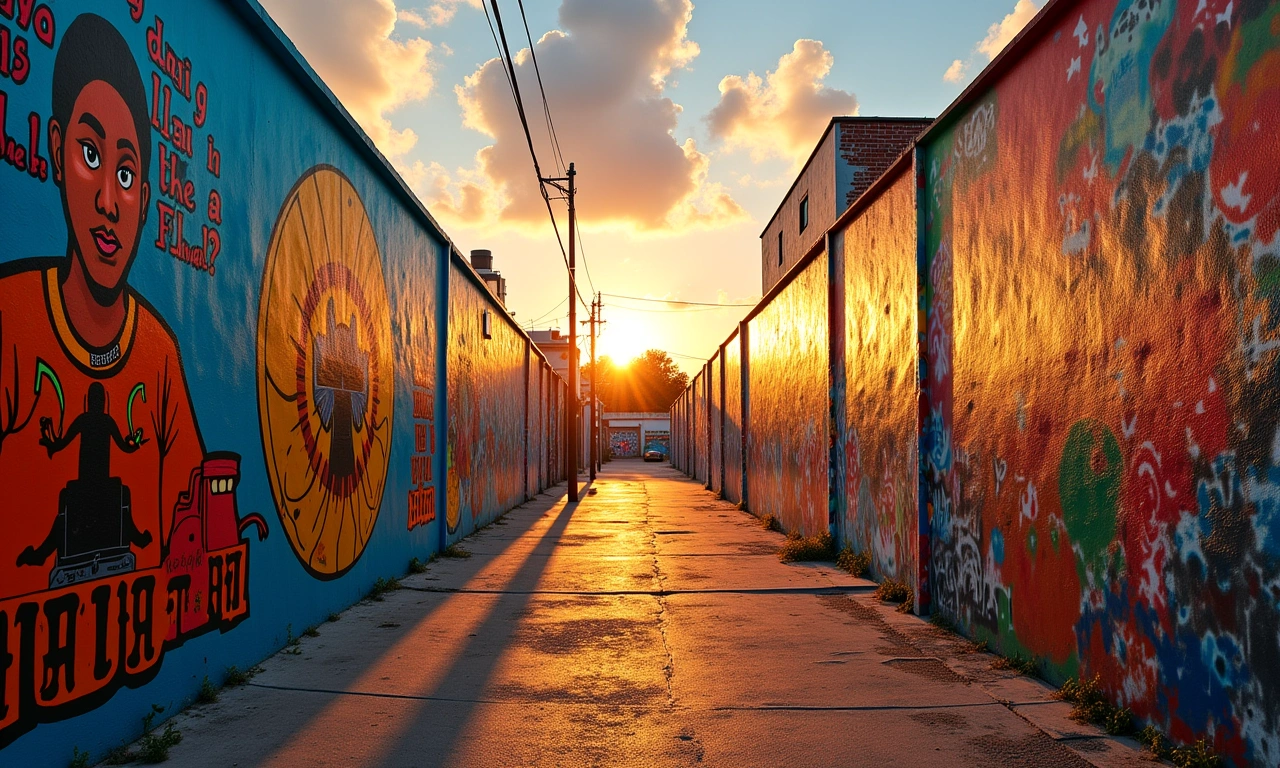
This curated list features twelve iconic Haitian songs celebrating motherhood and maternal sacrifice, spanning konpa, folk, and contemporary genres from the 1980s to 2000s. Each entry includes the artist, song title, cultural context, and lyrical highlights translated to English.
Whether you’re seeking music to honor your own mother or exploring how Haitian artists have immortalized maternal love, these songs offer both emotional depth and cultural authenticity.
Why This Collection Matters
Haitian mothers have long carried disproportionate burdens—working relentlessly to sustain families, sacrificing sleep and comfort, and often emigrating in search of better lives while their struggles only intensified. Haitian artists have documented this reality in music with unflinching honesty and profound tenderness.
These songs serve as cultural monuments to maternal resilience and as reminders that appreciation should not be confined to Mother’s Day or special occasions.
What Makes This Guide Different
- Verified artist and song information sourced from music databases and recordings
- Direct lyrical excerpts in Haitian Creole paired with English translations for cultural authenticity
- Historical context for each song, including album names and estimated release eras
- Focus on underrepresented Haitian musical traditions and artists beyond mainstream charts
The 12 Songs
1. Christopher “Freedom” Laroche – “Manman”
Album: 1804 Revolution
Freedom Laroche’s “Manman” stands out as a moment of vulnerability within a militantly pro-Haiti album. While the surrounding tracks burn with revolutionary fervor, this song pivots inward, revealing how even the strongest men are unmade by maternal presence. The gospel-inflected arrangement, layered with hip-hop and Haitian roots instrumentation, mirrors this duality.

Lyrical Theme: Unwavering filial devotion. Every struggle becomes bearable; every joy is attributed to mother’s existence.
2. Emeline Michel – “Moso Manman”
Album: Cordes et Ames (2000)
Michel’s “Moso Manman” (A Piece of Mother) arrived on an album that won Haiti’s “Musique En Folie” awards for Best Haitian Album and Best Production. The track carries a world-folksy sensibility, anchored by conga-heavy instrumentation and lyrics that measure gratitude against impossibility. Michel, one of Haiti’s most celebrated contemporary singers, combines traditional rhythms with introspective songwriting that refuses sentimentality.

Lyrical Theme: Debt that cannot be repaid. The song acknowledges that no amount of devotion or dance can equal what a mother has given.
3. Shoogar Combo – “Manman”
Era: 1984
Shoogar Combo’s 1984 performance of “Manman” channels retro-1970s energy through trumpet and bass lines that feel both nostalgic and urgent. The song’s central message is stark: regret is the worst pain—the realization of a mother’s worth only after she is gone. This track serves as a cautionary meditation, urging listeners to recognize value while there is still time.

Lyrical Theme: Regret and lost time. The song warns that delayed gratitude becomes eternal sorrow.
4. Scorpio – “Manman”
Era: Likely 1970s–1980s
Scorpio, a Haiti-based konpa band, distilled maternal honor into a simple, devastating metaphor: mothers are heroes who will never receive enough medals for their sacrifices. The song refuses complexity, choosing instead brutal clarity. A mother’s pain is neither sweet nor poetic—it simply is, and it endures.

Lyrical Theme: Maternal pain as a distinct, irreplaceable form of suffering worthy of recognition.
5. Krezi – “Manman”
Era: Released in the 2000s
Singer Stanley Georges lends his voice to this posthumous tribute, a song for children grieving absent mothers. The track moves between memory and present pain, drawing strength from recollections to face life’s ongoing challenges. Georges’s vocal delivery carries tenderness and ache in equal measure, making this one of the most emotionally difficult entries on this list.
Lyrical Theme: Grief transformed into resilience. The song honors memory as a form of ongoing relationship with the departed.
6. Zenglen – “Pou Manman”
Artist Background: Zenglen, formed in the 1980s in Port-au-Prince, became a defining voice of modern konpa, known for blending traditional rhythms with social commentary.
“Pou Manman” is both tribute and social analysis. The song specifically honors Haitian mothers who emigrated in search of better lives, only to discover that geographical change brings no reprieve. The burden remains constant, whether in Haiti or abroad. Zenglen refuses to romanticize diaspora, instead presenting motherhood as relentless labor without vacation, without rest.
7. Herold Christophe – “Manman”
8. Gerard Dupervil – “Manman”
9. Accolade de New York – “Manman”
10. DP Express – “Manman”
11. Toto Necessite – “Manman”
12. Tropicana – “Manman”
Last Updated on January 15, 2026 by kreyolicious