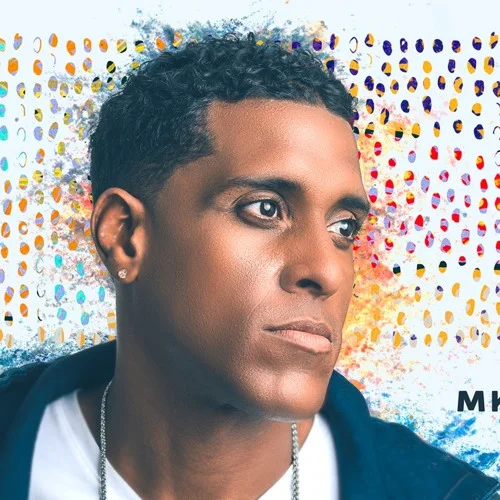
This feature explores how Haitian drummer Claude “Tico” Pasquet, co-founder of Magnum Band, helped carry compas music from Port-au-Prince neighborhoods to dancefloors and festival stages around the world.
It follows his path from a musical family in Haiti to clubs in New York and Miami, and explains how Magnum Band’s refined “old school” kompa sound became a reference point for the Haitian diaspora.
Along the way, the piece highlights the venues, communities, and collaborators that shaped his drumming, and shows why the groove he built with Magnum Band still matters to musicians and listeners today.
Who Is Claude “Tico” Pasquet?
Claude “Tico” Pasquet is a Haitian drummer best known as co-founder and long-time drummer of Magnum Band, a Miami-based kompa group formed in 1976 with his brother André “Dadou” Pasquet.
Magnum Band’s style blends traditional Haitian compas with soul, jazz, funk, and pop influences, earning the group a reputation for elegant arrangements and a smooth, disciplined groove.
Tico’s drumming sits at the heart of that sound, turning Haiti’s rhythmic traditions into a steady, expressive pulse that listeners can both dance to and study.
Roots in a Musical Family

Long before the world knew Magnum Band, Tico was growing up in a family where music was part of everyday life rather than a side hobby.
Instruments, rehearsals, and melodies were common household companions, and family gatherings often felt like informal concerts.
His brother André “Dadou” Pasquet walked the same artistic path, eventually becoming Magnum Band’s guitarist, bandleader, and co-founder, while their uncle, trumpeter Dòdòf Legros, added another strong musical branch to the family tree.
In that environment, home and stage blurred together, and the idea of living a life in rhythm felt natural rather than extraordinary.
Outside the house, Haiti itself provided the soundtrack: carnival bands in the streets, troubadours in small yards and bars, and records spinning in neighborhood shops.
For a young drummer like Tico, rhythm was not something to chase; it was part of the air, the traffic, and the daily noise of Port-au-Prince.

Cabane Créole and Port-au-Prince Nights

One of the key stages in Tico’s early development was Cabane Créole, a well-remembered music club on Ruelle Nazon in Port-au-Prince that drew devoted regulars and curious newcomers.
For many musicians of his generation, venues like Cabane Créole were training grounds where a band could test new ideas, sharpen its sound, and learn how to move a crowd over the course of an entire night.
On that stage, Tico refined his timing and feel, learning how to start a show gently, build energy over several songs, and close a set while leaving listeners eager for more.
Some people would walk over from nearby neighborhoods, while others crossed larger parts of the city just to hear a favorite band or follow a beloved singer.
Behind the scenes, organizers, bandleaders, and quiet visionaries—including figures like Leslie DelaLeu—helped ensure that Haitian music had serious platforms where artists could grow and experiment.
These spaces gave musicians such as Tico structure and visibility, turning local talent into performers capable of holding their own on bigger stages.
From 4th Avenue Bolòs to New York City
Like many Haitians of his generation, Tico’s story includes migration and adaptation, as his early experiences in Haitian neighborhoods eventually led him beyond the island’s borders.
In 1967, he left Haiti with his mother and his brother Dadou and moved to New York, joining a growing Caribbean and Haitian community in the city.
By day there were classes, work, and the challenge of adjusting to a new language and culture; by night and on weekends there were rehearsals, jam sessions, and small shows that kept the music alive.
New York’s soundscape exposed him to soul, funk, rock, and jazz, styles that did not replace his Haitian roots but instead wrapped around them and inspired fresh rhythmic ideas.
Those influences would later blend with compas direct in his playing, enriching the grooves he helped build for bands in both the Haitian community and the wider diaspora scene.

Gypsies de Pétion-Ville, Frères Déjean, and the Road to Magnum Band
Before launching Magnum Band, Tico spent years as a working musician, including time with Gypsies de Pétion-Ville and later with Frères Déjean, two respected groups in Haitian music.
Playing in these bands meant rehearsing intricate horn and rhythm arrangements, keeping the groove tight, and meeting the expectations of demanding audiences night after night.
Within that environment, Tico learned how to be both precise and expressive, making each drum part support the song while still carrying his own signature feel.
Every rehearsal, local show, and tour added another layer of experience, preparing him for the moment when he and his brother would shape their own project with a distinct vision.
The Birth of Magnum Band in Miami
The turning point came in Miami in 1976, when brothers André “Dadou” Pasquet and Claude “Tico” Pasquet decided to create a new group that reflected both their Haitian roots and their experience in the diaspora.
They formed Magnum Band that year in the Little Haiti area, and the group soon became one of the most respected names in modern Haitian kompa.
From the beginning, Magnum Band felt different: the sound was elegant and controlled, with carefully written arrangements, clear melodies, and a rhythm section that stayed rich and steady without losing subtlety.
Some listeners described their style as “old school” kompa, but fans recognized that the band honored tradition while also weaving in soul, jazz, and international pop influences around a firmly Haitian center.
By the late 1970s, Magnum Band was performing regularly in Queens and Brooklyn clubs with large Haitian audiences, helping define the sound of diaspora parties and family celebrations.
Magnum Band on the World Stage
Over time, Tico Pasquet and Magnum Band moved far beyond local nightlife, taking Haitian compas onto some of the world’s most visible platforms.

In 1996, the band performed at events associated with the Atlanta Summer Olympics, bringing their refined kompa sound into an international spotlight.
The group also played prestigious venues such as the Casino de Paris and, in 1997, represented Haiti at the inaugural World Creole Music Festival in Dominica.
Audiences at these shows did not always understand the lyrics, but they responded to the emotion, groove, and sense of pride carried in every performance.
Tours took Magnum Band across the Caribbean, North America, and Europe, turning the group into an unofficial ambassador for Haiti and demonstrating that compas is a sophisticated musical language as well as dance music.
The Signature of Tico’s Drumming
Tico’s drumming is not built on flashy speed or constant fills; it is rooted in intention, sound placement, and feel.
In Haitian music, drums do more than mark the beat—they answer melodies, interact with vocals, and push the bass and guitars forward, and Tico’s parts embody that conversation.
Within Magnum Band, his playing gives the music room to breathe, keeping the groove steady but never stiff so that the songs feel lived-in rather than mechanical.
Listeners can easily dance to these rhythms, while musicians can slow them down, study the lines, and notice the subtle choices that make seemingly simple patterns feel so rich.
Legacy, Family, and Influence
The story of Tico Pasquet and Magnum Band is also a family story that stretches from relatives like Dòdòf Legros to the partnership between Tico and Dadou on stages in Haiti and abroad.
Over the decades, Magnum Band became more than a successful group; it turned into a reference point for how disciplined, arrangement-focused kompa could sound at a high level.

Many younger artists and bandleaders listen closely to Magnum Band albums, studying the balance between groove and melody, the careful vocal and horn arrangements, and the overall respect for craft.
For fans, old records and live tapes bring back more than songs—they evoke specific nights, cities, and gatherings in Port-au-Prince, Brooklyn, Miami, Montreal, Paris, and other places linked by Haitian music.
In that sense, the band’s catalog has become part of the emotional archive of the Haitian diaspora, a soundtrack to migration, memory, and community pride.
The Ongoing Story of Tico Pasquet and Magnum Band
The journey of Tico Pasquet and Magnum Band is not only a list of dates, tours, or venues; it is the story of a drummer who made rhythm his life’s work and a band that turned Haiti’s heartbeat into a global soundtrack.
From early days in Haitian neighborhoods and Cabane Créole to New York clubs, Miami studios, and major international festivals, Tico has stayed faithful to the rhythmic language he learned at home.
As long as their songs continue to circulate at parties, concerts, and family gatherings, the influence of Tico Pasquet and Magnum Band remains present in the way people move, celebrate, and remember Haiti through music.
What Makes This Guide Different
Many profiles of Magnum Band focus mainly on discographies or brief timelines; this guide centers the drummer’s perspective and the spaces that shaped his sound.
It connects specific venues, migration milestones, and band experiences to Tico’s evolving style, giving readers a clearer sense of how environment and community influenced his playing.
The article also situates Magnum Band within the broader history of Haitian kompa and the diaspora, showing how their “old school” sound became a long-lasting reference for other artists.
Finally, it adds structured sections and FAQs so that fans, students, and researchers can quickly find key facts, definitions, and context about Tico and Magnum Band.
FAQ: Tico Pasquet and Magnum Band
When was Magnum Band founded?
Magnum Band was founded on June 24, 1976, in Miami by brothers André “Dadou” Pasquet and Claude “Tico” Pasquet, both originally from Haiti.
What style of music does Magnum Band play?
The band plays kompa, a modern Haitian dance music style, and is often associated with an “old school” sound that blends traditional compas with elements of jazz, soul, funk, and pop.
Why is Tico Pasquet important to Haitian music?
Tico Pasquet is important because his drumming anchors Magnum Band’s refined groove and helped carry Haitian compas from local clubs to international stages, influencing how many listeners and musicians experience the genre.
Where has Magnum Band performed internationally?
Magnum Band has played for Haitian communities and wider audiences in North America, Europe, and the Caribbean, including performances tied to the 1996 Atlanta Summer Olympics and appearances at venues such as the Casino de Paris.
How did the Haitian diaspora shape Magnum Band’s career?
The Haitian diaspora gave Magnum Band crucial early support, especially in Queens and Brooklyn clubs and later in Miami’s Little Haiti, helping the group build a following and proving that compas could thrive far from home.
What should new listeners pay attention to in Tico’s drumming?
New listeners may want to notice how Tico balances a steady, danceable groove with subtle accents and call-and-response patterns, allowing other instruments and vocals to shine while keeping the music grounded.
Editorial Note
This article was prepared using publicly available information about Magnum Band’s history, interviews and tributes to André “Dadou” Pasquet, recordings and live performances featuring Claude “Tico” Pasquet, and historical notes on Haitian kompa and diaspora venues.
Dates, band formations, and major tour milestones were cross-checked against multiple sources where possible, while personal reflections and community memories were treated as contextual rather than definitive fact.
Readers who have firsthand stories, corrections, or additional details about Tico Pasquet, Magnum Band, or the venues mentioned here are warmly invited to share them so that this record of Haiti’s rhythm can become even more complete.
Last Updated on January 15, 2026 by kreyolicious