This guide explores Haitian rocker Yohann Doré, his band Ayiti Rock, and their album Ayiti Men Rock, explaining how they blend rock with Haitian Creole lyrics, the stories behind key songs and videos, and the challenges of doing rock in a konpa-dominated musical landscape.
It is written for listeners discovering Ayiti Rock for the first time, fans who want deeper context on the songs, and anyone curious about how rock music sounds and evolves inside Haitian culture.
Who Is Yohann Doré and What Is Ayiti Rock?

Yohann Doré is a Haitian musician whose passion for rock music began in his teens, strongly influenced by bands like Linkin Park.
Raised around bands and musicians through his father’s work, and exposed to a wide range of styles by his mother, Doré grew up in a home where music was always present.
Out of that background came Ayiti Rock, a band that performs rock music in Haitian Creole and experiments with a sound often referred to as Rock Kreyòl or Rock Creole.
In a country where konpa is the national pop form and one of the dominant sounds in clubs, radio, and live shows, choosing rock is a bold move.
Doré and Ayiti Rock position themselves as part of a youth movement in Haiti, alongside peers like J. Perry and Wanito, bringing new styles and fresh approaches to Haitian music.
Inside the Album Ayiti Men Rock
Ayiti Men Rock is a full-length rock album performed primarily in Haitian Creole, with rock instrumentation and emotional storytelling at its core.
Earlier in his career, Doré had released an English-language EP, but this project dives fully into Creole, bringing rock closer to everyday Haitian listeners who may not be fluent in English.
The album has often been described as one of the first full-length Rock Kreyòl releases to present a cohesive rock sound with Haitian Creole lyrics and Caribbean touches.
Song titles such as “Anmwey”, “Ak Raj”, “Nou Fini”, “Kijan Pou’m Rele’l”, “Telling Me” and “Rèv Si Dou” hint at a mix of pain, protest, introspection, and tenderness.
“Anmwey” borrows the Creole cry for help, while “Banm Beat” closes the album on a more upbeat, party-ready note, showing a journey from distress to release.

Themes: Heartbreak, Rage, and Obsessive Love

Most of the songs on Ayiti Men Rock circle around heartbreak, often severe enough to push characters in the lyrics toward jealousy, rage, or obsessive love.
“Nou Fini” captures a narrator on the edge, wrestling with the desire to leave a toxic relationship while still being emotionally trapped by love and betrayal.
“Ak Raj” (“With Rage”) is anchored in the lyrics “M’ap kontinye renmen’w / Menm nan yon lòt vi / Tonnè boule’m mwen sèmante mwen renmen’w pase’m” (“I’m gonna keep loving you / Even in another life / Thunder strike me, I swear I love you more than myself”), a pledge of love that feels as heavy as a curse.
These songs show characters who are furious, wounded, yet still deeply attached, echoing how love and anger can coexist in real relationships.
Not every track stays in that dark space; “Rèv Si Dou” (“A Dream So Sweet”) softens the mood, layering rock guitars over a gentle, almost konpa-like tenderness that can appeal even to listeners who do not consider themselves rock fans.
Visual Storytelling: “Nou Fini” and “Ak Raj”
The videos for “Nou Fini” and “Ak Raj” extend the album’s storytelling with strong visual concepts and theatrical styling.
In “Ak Raj”, Doré leans into a darker, almost gothic aesthetic, with black fingernails, heavy eye makeup, and a somber presence that matches the song’s obsessive love theme.
The video and the recorded version of “Ak Raj” emphasize different dimensions of loss: on record the narrator seems destroyed by a destructive relationship, while the video suggests grief over someone lost to death and the anger that can follow.
“Nou Fini” visually focuses on the breaking point of a relationship, giving a face to the pain and finality described in the lyrics.
Both videos challenge common expectations of how Haitian artists should look and what they should sing about, especially in the rock space.
Rock Kreyòl in a Konpa World: Challenges and Reception
In Haiti, konpa dominates radio playlists, live shows, and sponsorships, which makes room for alternative genres like rock relatively small.

Doré points out that one of the main challenges for Ayiti Rock has been securing sponsors, and another is gaining access to the wider audience through media channels used to promoting konpa and hip-hop.
He notes that when people in key positions say they love the music but are unsure how others will react, they sometimes hesitate to support it publicly instead of giving the audience a chance to decide for themselves.
At the same time, live performances have reportedly changed many minds, as seeing the band’s energy on stage helps people understand how Rock Kreyòl can connect with Haitian realities.
Doré compares the rock movement’s struggle to what Haitian hip-hop faced about fifteen years earlier, suggesting that persistence and visibility can eventually shift perceptions.
Stories Behind Key Tracks on Ayiti Men Rock
Many of the album’s songs are rooted in real experiences, either from Doré himself or from people close to the band.
“Anmwey” grew out of a groove Doré was working on when bandmate Patrice suddenly shouted “Anmweyyy”, and the group decided to build a full song from that spontaneous moment.
“Ak Raj” tells the story of a young man intensely in love with an older woman, a narrative inspired by a true situation involving a band member.
“Nou Fini” is built around the complicated mix of rage and lingering love toward someone who has done serious emotional damage, a feeling Doré believes many listeners can relate to.
“Kijan Pou’m Rele’l” was originally conceived about child abduction during a period when kidnapping was a major concern in Haiti, but the band later reshaped it into a story about a teenager who discovers through someone else that he was adopted.
“Telling Me” reflects the perspectives of three friends who were with the band at the studio during the 2010 earthquake, turning that shared moment into song.

“Rèv Si Dou” was written years earlier by the group Sakaj for their second album, which never came out, and Ayiti Rock’s version gives that composition a new life within a rock context.
Musical Influences and Creative Process
Linkin Park was the band that first opened Doré’s eyes to rock music; he remembers hearing “Pushing Me Away”, searching for their videos, and asking his parents to buy their CDs.
Other influences he cites include Three Days Grace, Breaking Benjamin, Evanescence, Sevendust, and even the ethereal sound of Enya, along with French songs, Latin music, hip-hop, reggae, konpa, and classical.
Doré describes his creative process as one that naturally blends what he listens to, so elements from these genres surface in his arrangements, harmonies, and textures.
While he does not judge artists who rely on “recreational” substances, he explains that for him, creativity does not come from that; a few beers may relax him late in the studio, but the ideas themselves come from lived experiences and emotions.
Band Members and the Sound of Ayiti Rock
Ayiti Rock formed gradually as musicians crossed paths in studios and rehearsals.
Keyboardist Kenrick Pierre worked with Doré in the studio, while guitarist Patrice Jean sought him out after hearing that he was playing rock.
Bassist Zacharie André joined through conga player James Dumornay and an early drummer, and later drummer Wendy Noncent became part of the lineup.
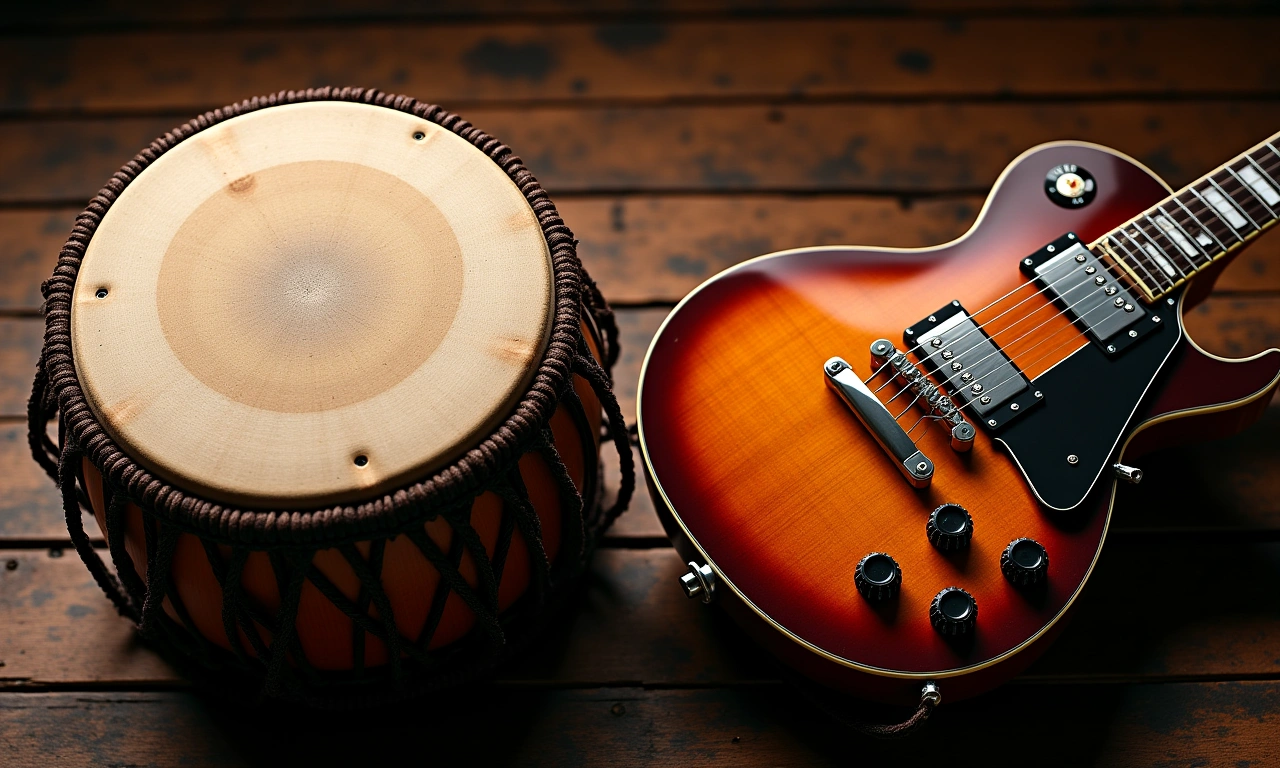
One important sonic decision came when Dumornay started experimenting with congas at rehearsal; the band quickly realized how much the percussion enriched their sound and decided to keep it as a signature element.
Although Patrice eventually moved to the United States, Ayiti Rock has continued with a core group of five musicians.
Rock Misconceptions and Doré’s Take on “Fame”
Doré is aware that many people, especially in Haiti, have preconceived ideas about rock as being violent, chaotic noise.
He encourages anyone who feels that way to research rock’s history, listen with an open mind, and see how the genre has been used around the world by people of every age, color, race, and creed.
Regarding his own work, he emphasizes that while there may be rage in some songs, it is always an expression of love and emotional struggle, not an endorsement of violence.
As for “fame”, Doré says he does not consider himself famous; he can still live like a “normal person” and walk the streets without paparazzi, and prefers to stay focused on the music above all.
Family, Values, and Personal Life
Doré credits his parents with supporting his musical path, on the condition that he take school seriously and approach music with full commitment.
He describes his relationship with his mother, father, and brother Jonathan as loving and close, even if they have heated moments like any family.
His parents are “huggers”, he says, and remind him that no matter how old he gets or what status he reaches, they will always be family and should never be embarrassed to show affection.
Asked what he is most grateful for, Doré answers simply: his family and the gift of music.
He considers himself a spiritual person who believes that everyone has a purpose in life, and his own purpose is closely tied to creating and performing music.
Quick-Fire “Kreyoliciously Yours… Yohann”
To close the conversation, Doré plays along with a series of sentence completions that reveal his personality and humor.
- My best friend is… Cedric, also known as MrCedDj.
- I’d rather die than… lose my family or my music.
- If you really want to tick me off you… mess with my music.
- Most people don’t realize that I… am really Haitian and not as crazy as they might think.
- My father… is extremely supportive, so supportive that Doré jokes he must be an alien you would have to meet to understand.
- My closest friends would say that I… am out of this world and slightly nuts, in a good way.
- Three words that describe me… passionate, laid-back, and a bit crazy at times.
- I would never… say never, because life has too many surprises.
- Five years from now, I… would like Ayiti Rock to be recognized as a Haitian rock band with global reach.
- I honestly cannot go a day without… water and music.
What Makes This Guide Different
This piece is designed not just as a profile, but as a practical guide to understanding Ayiti Rock and Ayiti Men Rock.
- Connects the album’s songs to specific stories and inspirations shared directly by Yohann Doré.
- Explains how Rock Kreyòl fits into a Haitian landscape dominated by konpa and hip-hop.
- Highlights the visual concepts behind key videos like “Nou Fini” and “Ak Raj”.
- Adds structured sections and FAQs so readers and AI search tools can easily extract details about the album, band, and genre.
FAQ About Yohann Doré, Ayiti Rock, and Ayiti Men Rock
Who is Yohann Doré?
Yohann Doré is a Haitian rocker, songwriter, and bandleader who grew up surrounded by music and later formed Ayiti Rock to perform rock music in Haitian Creole.
What is Rock Kreyòl or Rock Creole?
Rock Kreyòl, sometimes called Rock Creole, refers to rock music performed with Haitian Creole lyrics and Caribbean influences while keeping a rock structure and attitude.
In Doré’s work, that means electric guitars, live drums, and emotional rock vocals, combined with Haitian storytelling, Creole expressions, and elements like konpa-flavored grooves or percussion.
What are some key songs on Ayiti Men Rock?
Listeners often start with “Nou Fini” for its intense breakup narrative, “Ak Raj” for its obsessive love theme, “Anmwey” for its powerful opening energy, and “Rèv Si Dou” for a softer, more melodic side of the band.
Is rock music popular in Haiti?
Konpa remains Haiti’s most widely recognized dance and pop genre, and hip-hop has also built a strong following, so rock is still more niche.
Bands like Ayiti Rock are working to expand that space by performing live, releasing videos, and showing that rock can express Haitian realities in Creole just as powerfully as other genres.
What makes Ayiti Rock different from a typical konpa band?
Ayiti Rock centers electric guitars, rock song structures, and alternative rock influences, while many konpa bands focus on dance grooves, horn lines, and traditional konpa rhythms.
The band also leans heavily into themes of inner turmoil, rage, and obsessive love, expressed through rock-style vocals and arrangements rather than the smoother, romantic delivery that often characterizes konpa.
Editorial Note
This article is based on an in-depth interview with Yohann Doré, close readings of the lyrics and stories attached to the album Ayiti Men Rock, publicly available information about Haitian rock and konpa, and observation of the official videos associated with the project.
Certain descriptions of reactions, aspirations, and feelings reflect how Doré and the original interviewer expressed them at the time and are presented as such, not as measured statistics.
If any detail about dates, credits, or background needs correction or clarification, readers and the artist’s team are warmly invited to share updated information so this guide can remain accurate and respectful of the work.
Last Updated on January 15, 2026 by kreyolicious