The Ellery Blog merges travel narratives with mental health commentary, created by Danielle, a graduate student in Clinical Psychology at Columbia University pursuing advanced study in her field.
This case study examines how travel-wellness creators balance curated imagery with authentic experience, what credentials matter when discussing mental health online, and why the intersection of these niches has become both influential and ethically complex in the creator economy.
The Travel-Wellness Creator Landscape
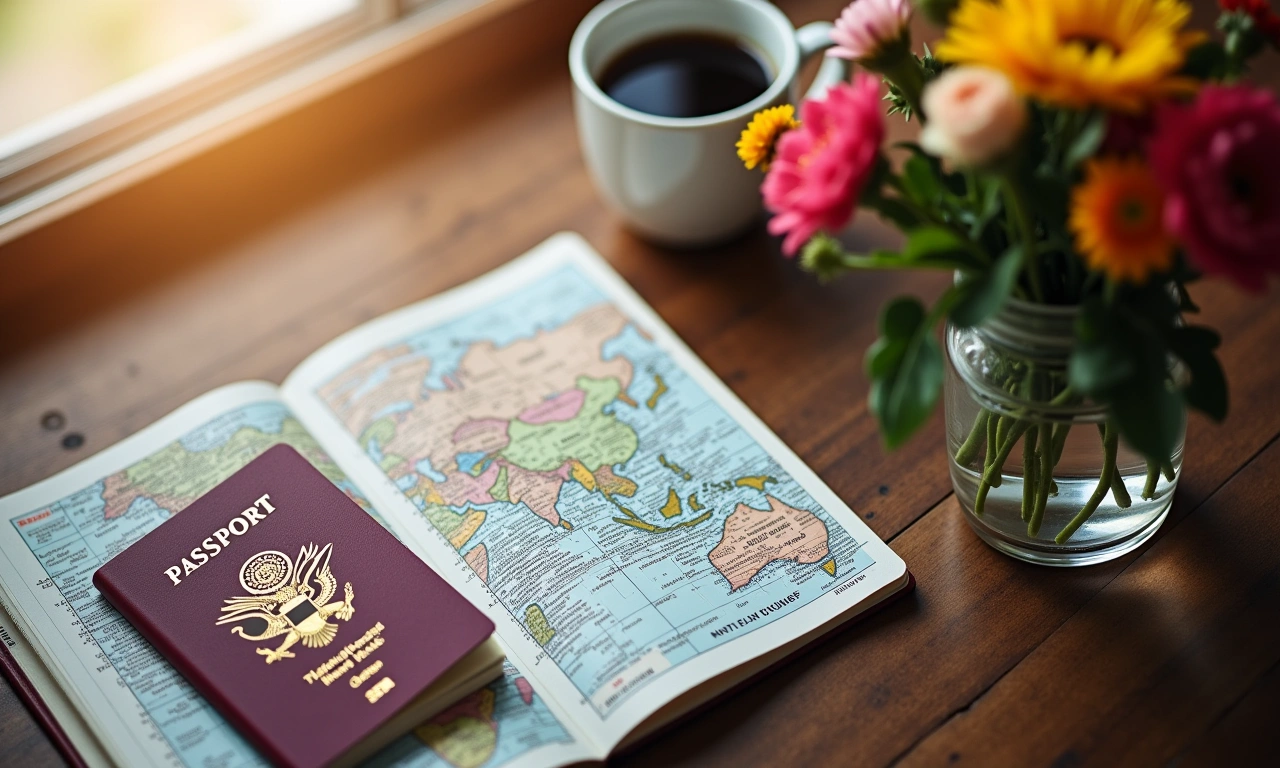
Travel and wellness are two of the most profitable content niches today. The combined appeal—exotic locations paired with personal development messaging—attracts millions of followers seeking inspiration and validation.
What distinguishes successful creators in this space is not just aesthetic consistency, but credibility: transparent disclosure of expertise, authentic engagement with the communities they document, and honest acknowledgment of the gap between curated feeds and lived reality.
For audiences, the challenge is real. Research shows that when people compare their everyday lives to algorithmically-amplified highlight reels, they experience measurable increases in anxiety and self-doubt. This dynamic puts ethical responsibility on creators to signal authenticity through both content and disclosure.
Who Is Danielle, and Why Does It Matter?
Danielle’s background distinguishes her within the wellness-influencer category. She is not offering mental health tips as personal anecdotes alone; she is a graduate student in Clinical Psychology with formal academic training. According to a November 2023 interview, she was completing her master’s degree and planning to pursue a PhD in the field. This credentialing is significant because it establishes a baseline of evidence-based knowledge that many wellness creators lack.
Her website lists speaking engagements at national panels, corporate events, and educational institutions. Professional infrastructure like this signals that she operates within a business framework—which is appropriate for a working creator, not evidence of misalignment with her stated values around mental health.
The Content: Travel, Mental Health, and Sections
The Ellery Blog is organized into themed sections including “Mind, Body, Soul” and mental health resources. Danielle’s travels span Europe, South America, and the Southern United States, with each destination becoming a narrative anchor for broader reflections on wellness, comparison culture, and personal growth.
When asked directly about social comparison—the most pressing concern for her audience—Danielle’s response in the original interview revealed practical awareness: “Everyone has their own struggles. You’re only witnessing the highlight reel on social media.” This kind of meta-commentary is precisely what ethical wellness creators should provide, rather than perpetuating the fiction that their lives are seamless.

The Mental Health Content Responsibility Standard

Mental health content on social media operates in an ethically complex zone. According to WHO and research published by Harvard School of Public Health, more than half of the top mental health tips on TikTok contain factual errors, and influencers themselves face significant psychological pressure to maintain personas while producing consistent content.
For creators discussing mental health, three credibility markers matter most:
- Clear role disclosure: Is the person a licensed professional, or sharing personal experience? Lack of transparency is a warning sign.
- Separation of personal narrative from clinical advice: Even experts should label content accordingly (e.g., “This is my experience” vs. “Evidence-based strategies include…”).
- Consistent boundary-setting: Ethical creators acknowledge what they can and cannot do, and direct followers to licensed practitioners for treatment.
Danielle’s psychology background aligns her with the credible-creator category, provided her content clearly distinguishes between personal narrative and clinical guidance. Her stated future goal—to pursue clinical psychology training and eventually contribute to humanitarian work—suggests alignment between her public persona and professional development.
The Creator Burnout Reality

A 2024–2025 Harvard study found that content creators experience burnout, anxiety, and depression at rates higher than the general population, often driven by financial precarity, algorithm obsession, and constant public criticism. This context matters when evaluating any creator’s sustainability.
For a graduate student managing both academic psychology training and a travel-wellness blog, the workload is real. Unlike the original post’s vague speculation (“Is her education being compromised?”), what we actually know is that creator burnout is a documented phenomenon worth acknowledging rather than dismissing.
Geographic Reach and Narrative Consistency
The Ellery Blog documents travel to Europe, South America, and the Southern United States. Each location provides material for both travel writing and mental health reflection. What distinguishes this approach from purely aspirational travel content is the intentional weaving of internal experience (mental health, personal growth) with external narrative (place, culture, experience).
A critical question for any travel creator: Are local communities and cultures represented with agency, nuance, and respect? Or reduced to aesthetic backdrops? Ethical travel content honors the dignity of the places and people being documented, avoiding stereotypes and acknowledging the creator’s outsider perspective.

Professional Infrastructure: Contact, Speaking, and Monetization
The Ellery maintains a professional contact page listing speaking, moderating, and guest-blogging opportunities. This is standard practice for creators building sustainable careers. Transparency about how creators earn—whether through brand partnerships, speaking fees, or product recommendations—is itself an ethical best practice.
The concern sometimes raised is that professional infrastructure might compromise authenticity. In practice, the opposite is often true: creators with clear business models and boundary-setting are better positioned to maintain integrity than those pretending to operate on passion alone.
Authenticity vs. Curation: A False Binary?
One persistent critique of travel and wellness content is that it is “curated,” as though curation itself signals dishonesty. In reality, all communication involves selection. The ethical question is not “Is this curated?” but “Is the creator transparent about what they are and are not showing?”
Danielle’s acknowledgment that social media shows “the highlight reel” demonstrates this awareness. When creators directly name the gap between their feed and their reality, they invite audiences to consume content more critically.
What Makes This Guide Different
- Grounds analysis in verified facts about Danielle’s background (clinical psychology training) rather than speculation about her motives.
- Applies evidence-based standards for mental health content credibility (WHO, Harvard research) rather than vague skepticism.
- Addresses creator burnout as a documented phenomenon, not a rhetorical question, acknowledging the real pressures travel-wellness creators face.
- Separates ethical marketing practices (transparency, professionalism) from inauthenticity, showing that business infrastructure can support rather than undermine trust.
FAQ: Common Questions About Travel-Wellness Creators
Can someone with an online following provide mental health guidance?
Yes, but with clear boundaries. If they are a licensed clinical psychologist, psychiatrist, or therapist, they can provide professional guidance (within legal and ethical limits). If they are sharing personal experience, they should label it as such and avoid implying clinical expertise. Danielle’s clinical psychology training positions her to discuss mental health more credibly than many wellness creators, but her content should maintain this distinction clearly.
How do I know if a travel-wellness creator is being authentic?
Look for: (1) Acknowledgment of the gap between curated content and reality, (2) Transparency about sponsored partnerships or affiliate relationships, (3) Respectful representation of the places and people they document, (4) Consistent messaging across platforms, (5) Willingness to address criticism or mistakes. No creator is 100% transparent, but credible ones are intentional about what they disclose.
Is it problematic for travel creators to monetize mental health content?
Not inherently. Creators deserve to earn from their work. What matters is transparency: Clearly disclose which recommendations are sponsored, which books or products generate affiliate income, and whether therapeutic advice is coming from lived experience or clinical training. Monetization itself is not unethical; hidden monetization is.
Can a full-time student manage a successful blog and maintain academic excellence?
It is possible but demanding. Research shows that content creators experience higher-than-average rates of anxiety and burnout. Success requires boundary-setting, realistic content schedules, and recognition that neither pursuit benefits from neglecting the other. Danielle’s decision to pursue graduate studies while maintaining her platform suggests she is managing both, though only she can speak to the actual toll.
What should I look for in a wellness creator’s credentials?
For mental health specifically: formal training in psychology, psychiatry, counseling, social work, or related licensed fields. For general wellness: look for evidence-based information, citations of reputable sources, and clear distinction between personal experience and expert guidance. A credential alone does not guarantee ethical behavior, but lack of transparency about training is a red flag.
How do I report unethical mental health content on social media?
Most platforms have reporting systems for content that violates health misinformation policies. You can also contact organizations like the American Psychological Association (APA) or your country’s equivalent if a licensed professional is providing unethical guidance. For influencers without credentials making false health claims, platform reports are the primary mechanism.
Editorial Note
This article was prepared using publicly available sources including the original Kreyolicious interview with Danielle (November 2023), published research on creator burnout and mental health content ethics from Harvard School of Public Health and WHO, and academic literature on authenticity in travel influencer content. Key facts about Danielle’s academic background and speaking engagements were verified through her published interview.
We welcome corrections or clarifications from The Ellery Blog or Danielle directly; please contact us through Kreyolicious’s standard channels.
Last Updated on January 15, 2026 by kreyolicious