Natalie Iman Duvalsaint, Miss West Coast USA, is a 22-year-old Haitian-American administrative assistant at Yahoo who brings articulate advocacy and cultural pride to the pageant stage.
In this exclusive interview, she discusses her unexpected pageant victory after two years of competition, her deep connection to Haiti and Haitian culture, and her vision for using her platform to tell stories too often left untold—particularly about resilience and beauty in Haiti.
About Natalie: Life Beyond the Pageant
When asked to describe herself, Natalie laughs at how much she encompasses in one person. She is a beauty queen with a love for burritos, San Francisco, the 49ers, and music festivals. She works as an Administrative Assistant at Yahoo Inc., a position she considers a blessing at age 22. She is a daughter, sister, and aunt to a 13-year-old nephew.
Family and faith are her anchors. When she is not competing, she watches “True Blood,” explores San Francisco with girlfriends, or treats herself to Chipotle. But what Natalie emphasizes most is her Haitian-American identity—she loves the food, language, and culture of Haiti and believes being a Haitian beauty queen makes her genuinely unique in pageantry.
The Path to the Crown: From High School to Miss West Coast USA
High school was not a popularity contest for Natalie—or rather, she was popular only within her own friend group. She played tennis for all four years, a sport considered “nerdy” at her school, but she loved it. She still remembers her coach bringing Popeye’s and Dim Sum for the team after matches.

Natalie’s pageant journey began in 2012 when she competed in Miss Anaheim Regional. She did not win, but the experience hooked her on pageantry. It opened doors to pageant directors across California.
When her girlfriend mentioned a competition in Northern California—Miss West Coast USA, organized by pageant director Beezie Chapman—Natalie jumped at the opportunity. Most pageants in the USA system were in Los Angeles, so a Northern California option felt like a gift.
At the Miss West Coast USA orientation, Natalie felt intimidated. She was not competing as frequently as she wanted, so she entered with the mindset of gaining experience, not expecting to win. She was nervous throughout and thought she had performed poorly.
But her pageant sister Gabi offered advice that stuck with her: “At the end of the day, the judges choose the winner—not the other girls competing. So there is no reason to be intimidated by them.”
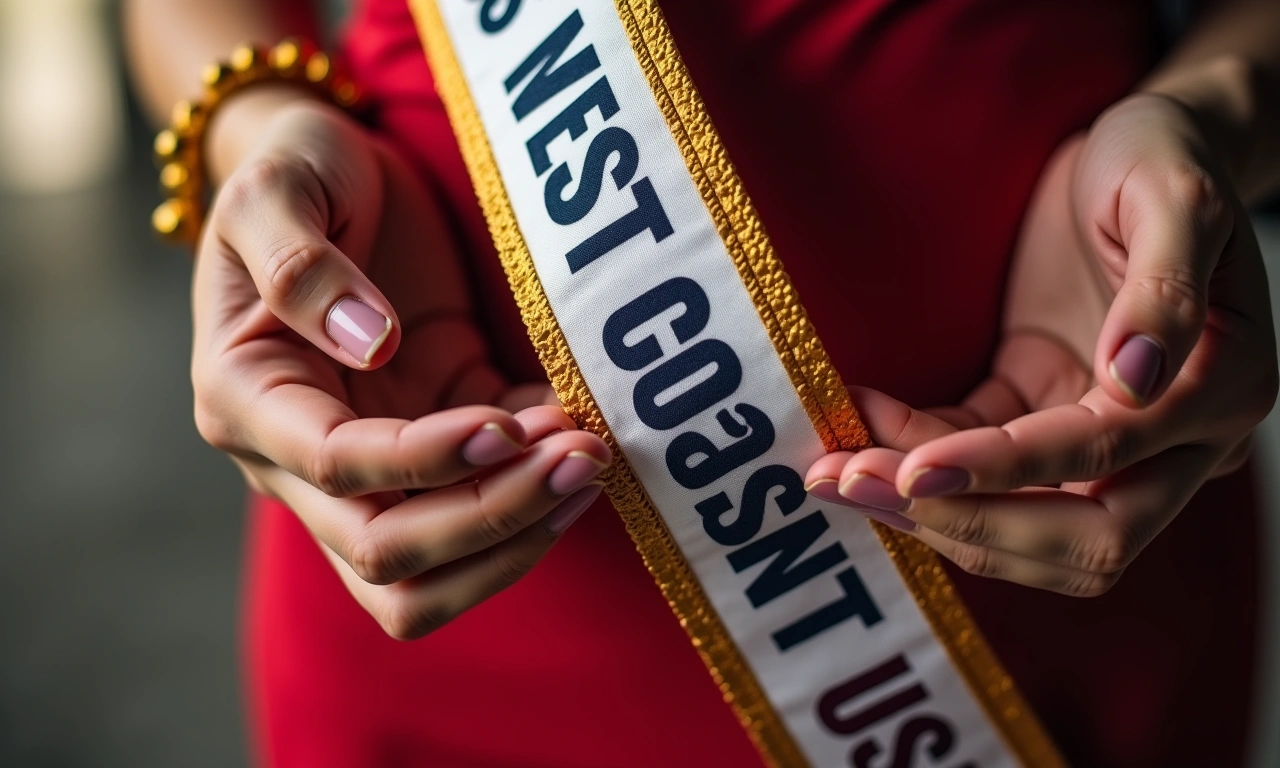
When the pageant hosts placed the sash and tiara on Natalie, she wanted to cry and scream at the same time. After two years of competing, coming close but always falling short, her prayers were answered. She could not believe the crown was on her head. Her first thought: “I’m going to McDonald’s and getting endless fries.”
Identity and Beauty: Natural Hair, Self-Acceptance, and Culture
When asked about a song that epitomizes her, Natalie chooses “Beautiful” by Christina Aguilera (released 2002). Growing up in a predominantly Caucasian town, she felt like an ugly duckling. Everything felt different—the food she ate, how her mom styled her hair, the way she looked.
At age 10, entering middle school, she heard the song in her mom’s car and felt it was written for her. It became a lifelong anthem of self-affirmation.
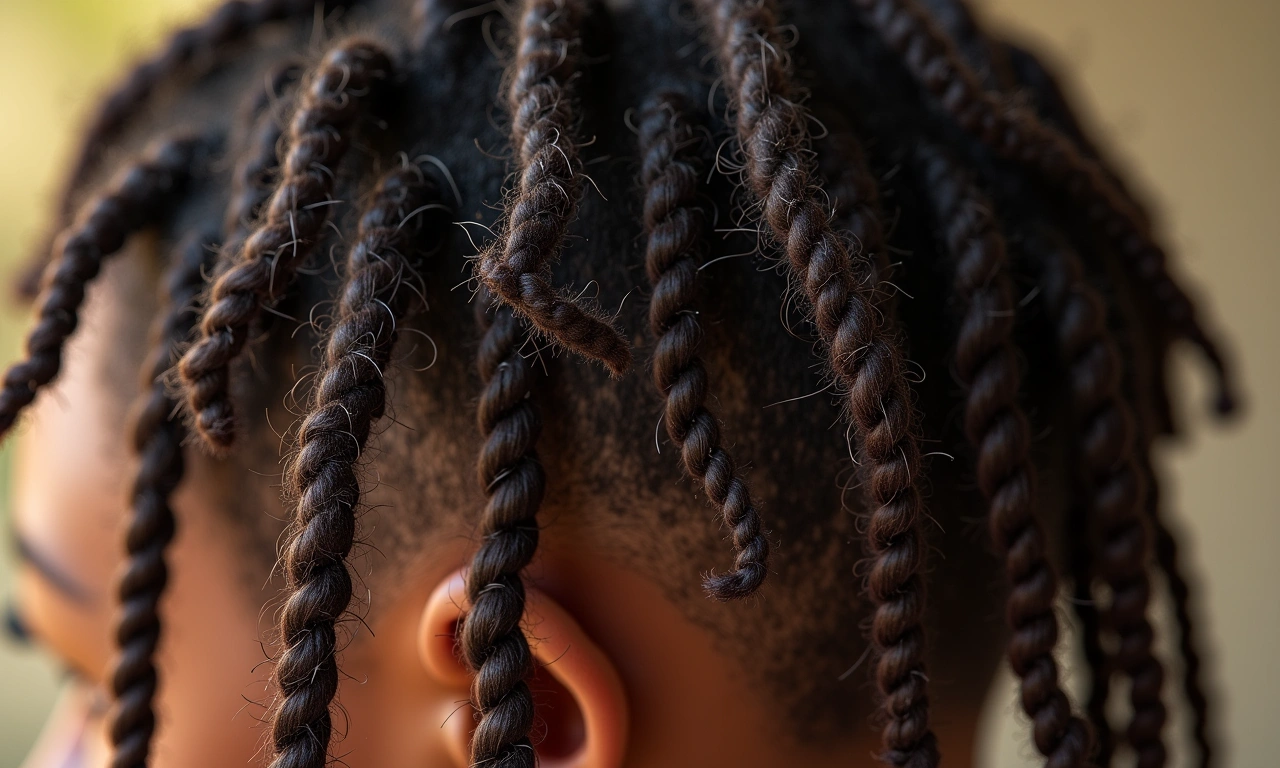
On natural hair versus chemically processed hair, Natalie is firm: it is about choice and confidence, not judgment. She has her hair chemically processed but envies women who have gone natural; she finds natural hair beautiful and connected to African American and African heritage. Some girls wear weaves, braids, or natural styles; some have no hair at all. The key is confidence in whatever hairstyle you choose.
On beauty itself, Natalie defines it as loving and accepting yourself—especially when the world judges women daily on clothing, body shape, and even nail color. A beautiful woman, in her view, is someone who chooses to be themselves no matter what the “norm” dictates. That strength and authenticity, she says, is what deserves to be called beautiful.
Haitian Heritage: Staying Connected and Telling Haiti’s Real Story
Natalie stays connected to Haitian culture through social media and family. In California, finding other Haitian people feels like “finding a diamond in Sierra Leone.” When they connect, it is through food and culture. She is part of a Facebook group for Haitians on the West Coast where members discuss music, food, and inside jokes that only Haitians understand.

She traveled to Haiti for the first time in 2010 after the earthquake to help restore a church and assist in a feeding program for children. She fell in love with the island and returned in February that year.
Her uncle works for DINEPA (Haiti’s water authority) and showed her the island beyond poverty—the beautiful landscapes and resilient people rarely seen on American television.
One trip in particular moved her: her uncle gave her a tour of Petionville and explained his work making water more accessible across Haiti. Natalie was struck by the contrast—gorgeous places, beautiful people, incredible resilience—yet American media shows only poverty. She believes Haiti’s true story needs to be told in the United States.
Family, Faith, and Food: Staying Grounded
Natalie’s mother is her greatest inspiration. She has worked tirelessly to provide a life for Natalie and her younger sister that “most people in Haiti could only dream of.” She depends on no one but herself—a strength Natalie deeply admires. Her mother built a life and family in America despite previous hardships. Natalie calls her “a rock star” and an angel.
Natalie is very close to her parents, despite typical first-generation arguments about what is appropriate. Her parents are her rocks and, she jokes, deserve “a lifetime achievement award for raising me and still not losing their minds.”
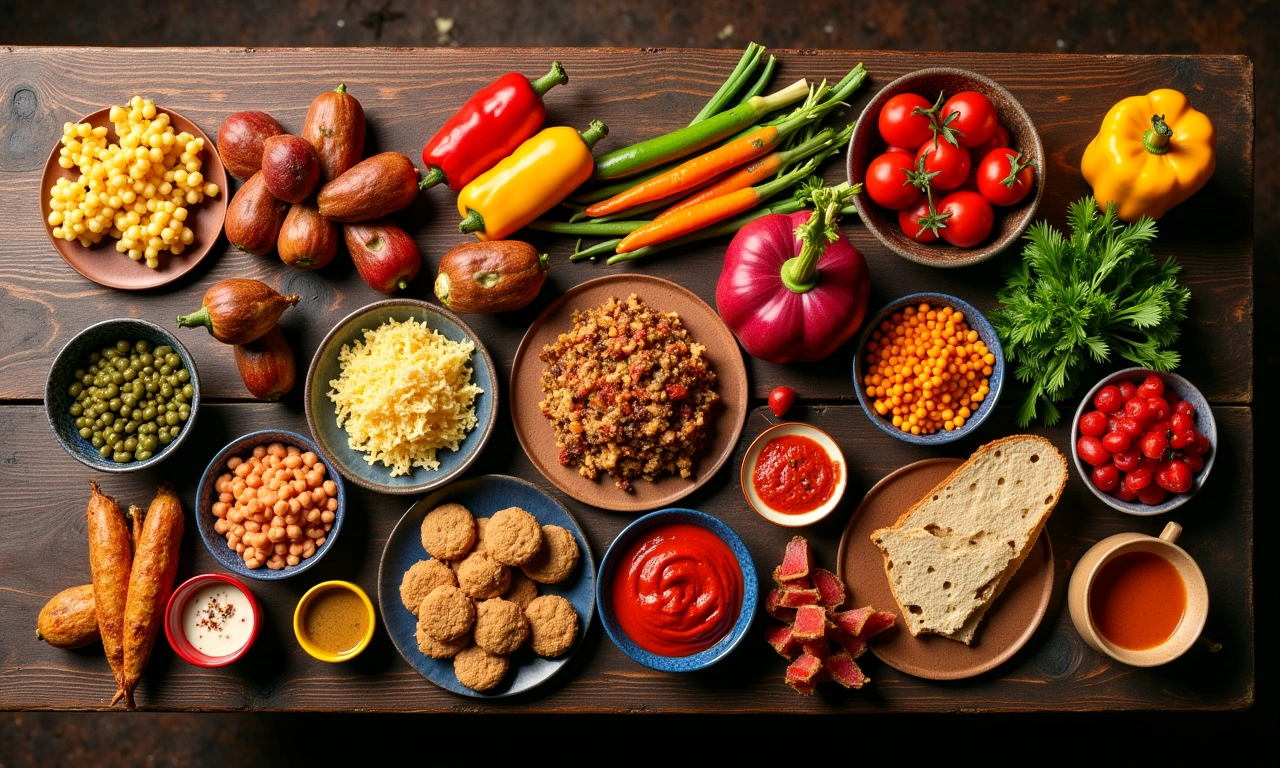
Staying fit is a challenge, especially on Sundays when family dinners feature her father’s *diri ak pwa* (rice and beans), which she cannot resist. If *bannan peze* (fried plantains) and *pikliz* (spicy pickled vegetables) appear, her diet is done for the day.
Her trainer five days a week helps balance those indulgences—and she admits that talking about her grandma’s *patè* (meat pie) makes her crave it immediately.
Personal Style and Opinions: Versatility and Authenticity
Natalie’s style is versatile. One moment she is in a maxi dress or rompers; the next, she is in leggings and a tank top. She values comfort and presentability equally and changes her style based on her mood that day.
On whether she cares about others’ opinions, Natalie is honest: she wishes she didn’t, but she would be lying if she said it doesn’t matter. She tries not to let others influence her, but when the opinion comes from someone she respects and cares about, it is harder to dismiss.
Advice for Young Women Considering Pageantry
When asked what she would say to a girl considering entering a pageant, Natalie is clear: “Do it.” Competing is fun, and once you finish one, you will want to keep going. You do not need to look like a Victoria’s Secret model to compete and win—she is living proof.
The stereotype that pageant girls are catty and backstabbing is completely false, Natalie says. She has made lifelong friends through competition and met remarkable people from all backgrounds. When you compete, she promises, you will not regret it.
Looking Ahead: News, Advocacy, and Building in Haiti
A pageant queen’s work never ends. Being a titleholder has opened opportunities Natalie never dreamed possible. Her immediate goal is competing in Miss California USA 2015 in January—being presented with that opportunity as a titleholder fulfills a dream she has held since starting to compete seven years ago.
Long-term, she aspires to be a nightly news anchor to bring awareness to real-world issues that people are too afraid to discuss publicly. Ultimately, she hopes to earn a title prestigious enough to access resources to build an American orphanage in Cap Haitian, Haiti.
What Makes This Interview Different
- Firsthand perspective from a Haitian-American beauty queen — Most pageant coverage centers on competition; this interview centers on cultural identity and social impact.
- Honest discussion of self-image and heritage — Natalie discusses growing up as a Haitian girl in a predominantly white town and how pageantry became a vehicle for cultural pride.
- Haiti beyond stereotypes — Rather than pity narratives, Natalie emphasizes resilience, beauty, and the need for accurate storytelling about her island.
- Mentorship and encouragement — She directly addresses misconceptions about pageantry and invites other young women to compete, regardless of background or appearance.
Frequently Asked Questions
How long did Natalie compete before winning Miss West Coast USA?
Natalie competed for two years before winning Miss West Coast USA. She started with Miss Anaheim Regional in 2012 and competed steadily before entering Miss West Coast USA, where she won after multiple near-misses.
What is Natalie’s background?
Natalie Iman Duvalsaint is a first-generation Haitian-American. Both her parents are Haitian. She was raised in a predominantly white California town and developed a strong connection to her heritage despite the cultural isolation.
She works in technology at Yahoo Inc. while competing in pageants.
Does Natalie plan to continue pageantry?
Yes. After winning Miss West Coast USA, her immediate goal is to compete in Miss California USA 2015 in January. She views her titleholder status as an opportunity to achieve a higher-level crown.
What is Natalie’s career aspiration?
Natalie aspires to become a nightly news anchor to bring awareness to real-world issues that are often overlooked or avoided in public discourse. Ultimately, she hopes her platform will help her build an orphanage in Cap Haitian, Haiti.
How does Natalie stay connected to Haitian culture?
She stays connected through family, social media, Haitian communities in California, and regular travel to Haiti. She is part of online groups for Haitians on the West Coast where she discusses culture, food, music, and shared experiences.
Editorial Note
This interview with Natalie Iman Duvalsaint was conducted directly and reflects her own words, experiences, and perspectives. Key facts—including the 2010 Haiti earthquake, DINEPA (Haiti’s water authority), and the release date of Christina Aguilera’s “Beautiful” (2002)—have been verified against public sources. References to her pageant journey, family, and career aspirations are based on her firsthand account. Readers with additional context or corrections are encouraged to reach out.
Last Updated on January 15, 2026 by kreyolicious