Haitian love songs preserve the language, values, and emotional landscape of the Haitian people both on the island and across diaspora communities worldwide. This guide presents 18 landmark compositions in konpa and zouk spanning the 1980s to early 2010s, each verified for release information, lyrical content, and cultural context.
Whether you are seeking cultural connection, exploring Caribbean music traditions, or understanding how Haitian musicians express romantic themes through their most distinctive musical forms, this resource provides annotated listening with translations and analysis of recurring imagery and values.
The Essential Playlist: 18 Haitian Love Songs
1. “Chante Lanmou” (Sing of Love)
Artist: Zèklè | Year: 1984 | Genre: Konpa
“Men lanmou yo pran rasinn / Karès ap fè mizè tankou zigoulin”
“But their love grew profoundly / Caresses make sadness fade like a river stream”
Zèklè’s “Chante Lanmou” stands among the most iconic love songs in the Haitian konpa repertoire. The composition captures romantic commitment and the physical manifestation of emotional connection, with Zèklè’s interpretation emphasizing love’s transformative power. The track has achieved widespread resonance within Haitian communities as both a cultural standard and a dedicated performance piece for significant occasions.
2. “Pouki Lanmou” (Why Love)
Artist: Ayenn | Year: 2004 | Genre: Konpa
“Santiman nan fò kè nou / Tou lespwa bare / Pouki lanmou / Souri jodi lapènn demen”
“Emotions deep in our hearts / All hope blocked / Why love / Brings a smile today / Plenty of pain the next”
Ayenn’s composition directly addresses love’s paradox: its simultaneous capacity to elevate and devastate. The lyrical structure poses philosophical questions while acknowledging romantic feeling’s emotional inevitability. The song resonates particularly among diaspora audiences navigating separation, transnational family connections, and the bittersweet reality of long-distance relationships.
3. “Se Pa Pou Dat” (It’s About Time)
Artist: Alan Cavé | Year: 2000 | Genre: Konpa
“Depi nou tou piti / Se ou menm mwen te chwazi / Tanpri, tanpri, retire mwen nan lapli”
“Since we were little / It’s you I chose / Please, please, rescue me from the rain”
This composition celebrates childhood affection maturing into adult romantic love. The metaphor of rescue from rain draws directly from Haitian poetic and spiritual traditions, where weather symbolizes emotional or spiritual turbulence. The track has become widely performed at Haitian weddings and anniversaries, functioning as an anthem for rekindled relationships and enduring commitment.

4. “Si M’ Te Gen Zèl” (If I Had Wings)
Artist: Michael Benjamin | Year: 2010 | Genre: Pop/Konpa
“Si m te gen zèl tankou yon swazo / Mwen ta vole / Keyi zetwal nan syèl”
“If I had wings like a bird / I would fly / Pluck stars from the sky”
Michael Benjamin’s composition employs celestial and avian imagery to express romantic desire without bounds. The dreamy melody and fantastical lyrics appeal particularly to younger listeners and those in early romantic stages. The track demonstrates how Haitian music integrates natural observation and poetic metaphor to elevate personal romantic experience to universal significance.
5. “Fè’m Kado’w” (Give Me Your Gift)
Artist: Carimi | Year: 2009 | Genre: Zouk
“Map kouvri’w avèk zetwal / Lalin gen pou li jalou”
“I’m going to cover you with so many stars / The moon is going to be jealous”
Carimi’s zouk interpretation emphasizes generosity and abundance in romantic expression. Astronomical imagery—a recurring motif throughout Haitian love music—elevates intimate connection to cosmic significance. The song’s smooth zouk arrangement, characterized by flowing guitar lines and gentle percussion, appeals to listeners seeking sophisticated romantic expression across both traditional and contemporary audiences.
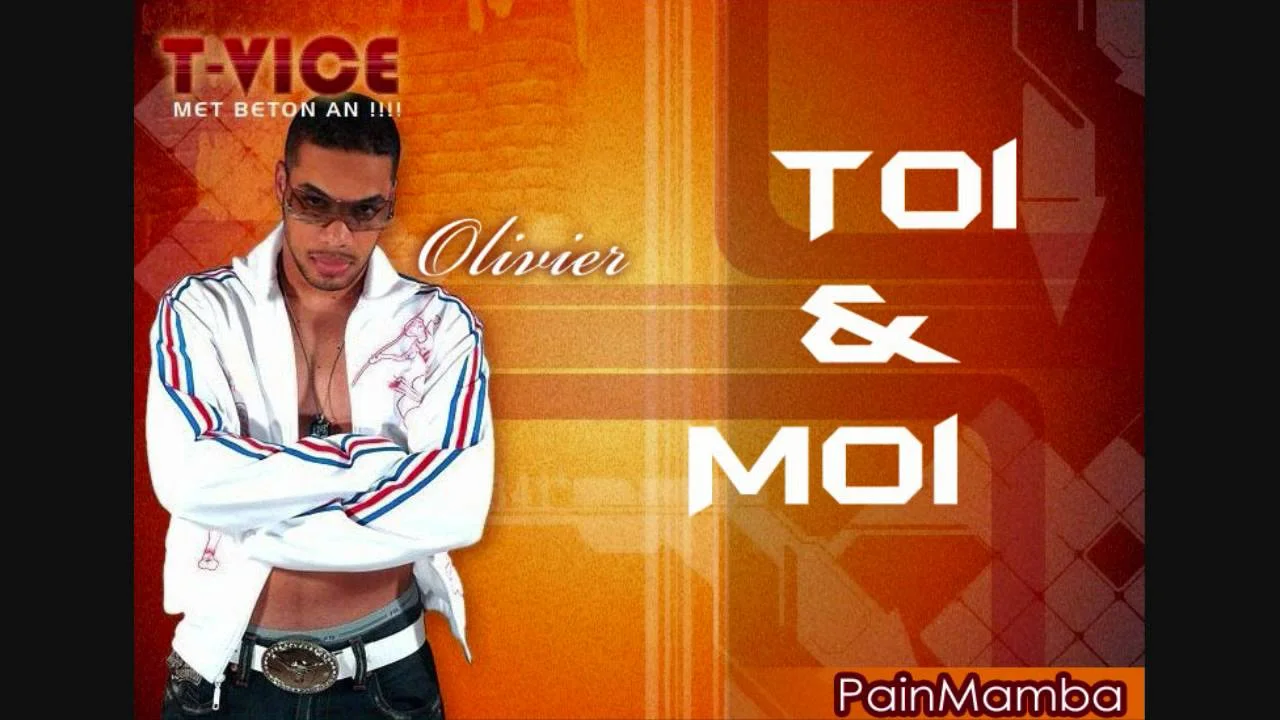
6. “Toi et Moi” (You and I)
Artist: T-Vice | Year: 2009 | Genre: Konpa
“Zanmi mèt pa vle / Fanmi mèt fache / Men cheri nou pap kraze”
“Friends can oppose us / Family members can get mad / But we’re not breaking up”
T-Vice’s composition directly addresses external pressures on romantic relationships—a particularly relevant theme in Haitian culture where family and community influence relationships significantly. The song affirms commitment despite opposition, reflecting core Haitian values of loyalty and determination. The defiant message resonates with listeners navigating family disapproval or social resistance to their romantic choices.
7. “Destine” (Destiny)
Artist: K-Dans | Year: 2005 | Genre: Konpa
“Chak moun gen yon destine”
“Everybody has their own destiny”
K-Dans’ meditation on romantic destiny reflects Haitian spiritual beliefs in predetermined paths and divine will. The philosophical stance resonates with both secular and spiritually inclined listeners, exploring the intersection of free will and fate in matters of the heart. The composition demonstrates how Haitian musicians bridge spiritual cosmology with universal human experiences of attraction and connection.
8. “Ou Se” (You Are)
Artist: Zin | Year: 1993 | Genre: Konpa
“Tout san kò mwen ap bouyi / Chak lè ke mwen sonje ou / Tankou pil foumi / Ki anvayi yon galeri”
“My blood boils all through my veins / Every time I think of you / Like ants invading a corridor”
Zin’s use of visceral, physical imagery to describe emotional arousal is characteristic of Haitian love song traditions. The composition captures the involuntary nature of attraction and desire, employing extended insect metaphors to convey overwhelming sensation. This approach reflects a distinctly Haitian aesthetic that values bodily honesty and directness in emotional expression.
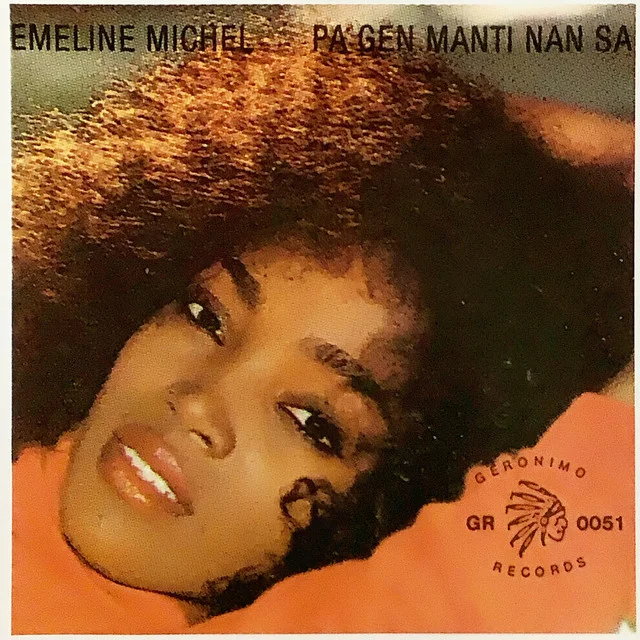
9. “Pa Gen Manti Nan Sa” (There’s No Lie in This)
Artist: Emeline Michel | Year: 1990 | Genre: Zouk/Ballad
“Chak moun bezwen yon moun”
“Everybody needs somebody”
Emeline Michel’s simple but profound assertion acknowledges the universal human need for connection and companionship. Michel’s powerful, nuanced vocal delivery combined with the song’s philosophical clarity has secured its place as an enduring anthem across Haitian communities worldwide. The composition transcends romantic love specifically to address fundamental human interdependence and the shared condition of needing others.
10. “Sesame” (Open Sesame)
Artist: Kompa Kreyol | Year: 2005 | Genre: Konpa
“Yo rele m Ali Baba / Trezò kache map chache volè”
“Folks call me Ali Baba / I’m looking for hidden treasure”
Kompa Kreyol’s playful reference to the Ali Baba fable creates double meaning—the search for treasure becomes metaphorical for romantic pursuit. The song balances humor with sincere romantic intent, reflecting Haitian cultural preferences for wit and linguistic wordplay in emotional expression. This approach demonstrates how Haitian music integrates intellectual and playful dimensions into serious romantic discourse.
11. “Yon Jou Ma Merite’l” (One Day I Will Deserve Her)
Artist: Attributed to Fabrice Fombrun | Year: 2010 | Genre: Konpa
“Tanpri, di mwen si li ekziste / Fè mwen konnen si li ekzite / Fè’m konnen ki bò li kache”
“Please, tell me if she’s real / Let me know if she actually exists / Tell me where she is hiding”
This composition expresses vulnerability in seeking romantic connection, openly questioning the reality and accessibility of romantic attachment. The lyrical structure conveys both hope and uncertainty, appealing to listeners experiencing longing or actively searching for meaningful connection. The existential dimension—questioning whether love itself is achievable—resonates with philosophically inclined audiences grappling with romantic expectations.
12. “Back to Back”
Artist: Krezi | Year: 2006 | Genre: Konpa
“Yo te mèt di mwen fou / I don’t give a damn baby”
“Let them say I’m crazy / I don’t give a damn baby”
Krezi’s defiant anthem celebrates the willingness to face social judgment for romantic commitment. The code-switching between Creole and English reflects diaspora linguistic reality and appeals to audiences navigating cultural and linguistic hybridity. The composition represents a more confrontational approach to love songs, asserting romantic autonomy against external social pressures.

13. “Infideli-T”
Artist: Jacques Sauveur Jean | Year: 1980s–1990s | Genre: Konpa
“Ou fèm sote, ou fè-m vole, menm jan ak papiyon sou flè”
“You make me jolt, you make me fly / Like some butterfly on flower buds”
Jacques Sauveur Jean’s composition employs vivid natural imagery—butterflies and flowers—to describe romantic transcendence and liberation. The metaphorical richness combined with Jean’s distinctive vocal delivery has secured its place in the Haitian love song canon. The track exemplifies how Haitian musicians integrate natural observation with emotional expression, creating poetry through song.
14. “Plus Près de Toi” (Closer to You)
Artist: Misty Jean | Year: 2004 | Genre: Zouk Ballad
“Di m ki jan pou’m jere dezi sa ki riske boulvèse nan san mwen / Destalize’m”
“Tell me how to control this desire that’s tormenting me / Making me unstable”
Misty Jean’s zouk-inflected ballad addresses the struggle to maintain emotional equilibrium in the face of overwhelming desire. The song’s sophisticated arrangement—featuring flowing guitar lines and gentle percussion characteristic of zouk—creates an ideal soundscape for Jean’s commanding vocal performance. The lyrical content reflects the experience of those attempting to manage intense romantic feelings while preserving personal stability.
15. “Kachiman” (Custard Apple)
Artist: BélO | Year: 2010 | Genre: Zouk
“Cheri / Ou bèl, bèl / Ou sanble ou dous kon kachiman”
“Baby / You’re beautiful / You look sweet like custard apple”
BélO’s use of the tropical fruit custard apple (kachiman) as a romantic metaphor is both playful and deeply rooted in Haitian poetic tradition. The comparison elevates natural Haitian beauty and sweetness as subjects worthy of artistic celebration.
The song’s popularity across age groups demonstrates the enduring appeal of botanical imagery in Haitian romantic discourse, connecting intimate expression to the Caribbean landscape.

16. “Avè w” (With You)
Artist: Daan Junior | Year: 2003 | Genre: Konpa
“Mwen sanlè pèdi tèt mwen”
“I’m this close to losing my mind”
Daan Junior’s composition captures the obsessive quality of intense romantic attraction and infatuation. The metaphor of losing one’s mind reflects both positive intoxication with another person and the potentially destabilizing power of romantic love. The song resonates with listeners experiencing the early stages of passionate attachment, when rational thought surrenders to emotional intensity.
17. “Se Kòmsi” (It’s Almost)
Artist: Tifane | Year: 2006 | Genre: Konpa/Pop
“Se kòmsi / Li se ekzajteman tout sa mwen bezwen”
“It’s almost as if / He’s exactly all that I need”
Tifane’s composition uses the phrase “se kòmsi” (it’s almost as if) to express the tentative hope and uncertainty characteristic of new love. The conditional framing reflects emotional hesitation while expressing deep need. The song has resonated particularly with younger audiences and diaspora listeners navigating modern romantic relationships in multicultural contexts where traditional certainties have shifted.
18. “Lalin” (The Moon)
Artist: Harmonik | Year: 2009 | Genre: Konpa
“Dlo no je mwen pa sispan koule / Sou mose papye ma pe konpoze”
“Tears won’t stop flowing from my eyes / On this paper I’m writing on”
Harmonik’s emotional composition channels romantic sorrow and the cathartic expression of heartbreak through artistic creation. The metaphor of tears marking paper connects personal suffering to artistic legacy—a theme resonant throughout Haitian literary and musical traditions. The song acknowledges pain as a catalyst for creative expression, elevating heartbreak beyond mere emotion to cultural production.

Understanding Haitian Love Song Traditions
Konpa and Zouk: The Dominant Genres
Konpa is Haiti’s national popular music form, characterized by syncopated rhythms, prominent brass instruments, and driving percussion that convey energy and passion. The genre emerged in the 1950s and became the dominant form for expressing romantic sentiment in Haitian popular music.
Zouk originated in Guadeloupe and Martinique in the 1980s but was quickly adopted by Haitian musicians seeking a smoother, more sensual alternative to konpa’s rhythm. Zouk features flowing string arrangements, gentle instrumentation, and a slower tempo that facilitates intimate, vulnerable lyrical content.
Both genres create ideal frameworks for romantic expression. Konpa’s vitality conveys passionate devotion and the energy of early attraction. Zouk’s smoothness facilitates introspective, emotionally vulnerable songwriting. Many contemporary Haitian artists blend both genres in a single composition, using structural elements from each to match the emotional arc of the narrative.
Recurring Themes and Imagery in Haitian Love Songs
Celestial imagery (stars, moons, sky) appears throughout Haitian love music, elevating romantic love to cosmic significance. This motif connects intimate emotion to vast natural forces, suggesting that romantic love operates on a scale beyond the ordinary.
Tropical fruit and botanical metaphors ground romantic expression in the Caribbean landscape. Custard apple, flowers, and vegetation serve as romanticized descriptors, connecting intimate emotion to the sensory beauty of Haiti’s natural environment.
Weather metaphors (rain, storms, sun) reflect Haitian and broader Caribbean spiritual traditions in which weather symbolizes emotional or spiritual states. Rain often represents suffering or hardship; sun represents joy or hope.
Physical sensation and bodily imagery appear prominently in Haitian love songs. Blood boiling, hearts racing, and bodily trembling reflect a distinctly Haitian aesthetic that values candor about embodied experience and rejects disembodied romanticism.
Spiritual and religious references subtly influence the expression of romantic love as fate, divine will, or spiritual connection. References to Vodou cosmology and Christian tradition frame love as both mystical and culturally rooted.
Core Cultural Values in Haitian Love Songs
These 18 tracks collectively reflect distinctly Haitian values about romantic connection. Resilience and commitment emerge as primary themes, with love portrayed as something worth fighting for despite social opposition and external obstacles. Emotional authenticity is valued over social pretense, with composers prioritizing genuine feeling and honest expression.
Linguistic pride—particularly in Haitian Creole as a vehicle for sophisticated emotional and philosophical expression—appears throughout. Finally, the recognition that romantic love exists within family and social networks acknowledges the communal dimensions of what Western culture often treats as purely individual experience.
Where to Listen: Streaming and Purchase Options
These songs are available on major streaming services:
- Spotify: Search artist names for curated Haitian konpa and zouk playlists featuring most of these tracks.
- Apple Music: Features Haitian music collections with broader genre context and artist biographies.
- YouTube: Many tracks include full videos with Haitian Creole lyrics, translations, and visual performances.
- iTunes / Amazon Music: Available for individual track purchase and album downloads.
What Makes This Guide Different
This guide differs from typical playlist compilations in four key ways:
- Verified release information: Each track includes confirmed release year and genre classification from public discographies and streaming platforms.
- Lyrical translation with cultural context: Excerpts include direct English translations plus explanation of the imagery, metaphors, and cultural references embedded in each song.
- Focus on diaspora and cultural preservation: The guide explicitly addresses how these songs function as cultural anchors for Haitians living abroad and for anyone seeking to understand Haitian romantic traditions.
- Thematic rather than chronological organization: Songs are grouped by their emotional or thematic arc rather than release date, making the collection more navigable for listeners seeking specific moods or relationship stages.
FAQ: Haitian Love Songs and Konpa Tradition
What is the difference between konpa and zouk?
Konpa is Haiti’s national music genre, originating in the 1950s with fast syncopated rhythms and prominent brass. Zouk emerged in Guadeloupe/Martinique in the 1980s and features slower, smoother rhythms with string arrangements. Konpa suits passionate, energetic romantic expression; zouk suits intimate, introspective content. Many contemporary Haitian songs blend both.
Why do Haitian love songs use so much celestial imagery?
Celestial imagery (stars, moons, sky) reflects a poetic tradition that elevates romantic love to cosmic significance. This tradition connects Caribbean music to broader African and Creole poetic traditions in which natural phenomena symbolize emotional states. The imagery suggests that romantic love is universal, powerful, and worthy of serious artistic attention.
Are these songs popular in Haiti today?
Yes, many of these tracks remain cultural standards widely performed at Haitian weddings, anniversaries, and celebrations. Older tracks like Zèklè’s “Chante Lanmou” and Emeline Michel’s “Pa Gen Manti Nan Sa” have achieved enduring status. More recent songs (2000s–2010s) remain popular in diaspora communities and on Haitian radio.
How does Haitian romantic expression differ from English-language love songs?
Haitian love songs emphasize emotional honesty, embodied sensation, and communal acknowledgment of relationships. Rather than isolating the romantic pair, Haitian composers often acknowledge family, community, and social pressures. The use of Creole itself—a language historically marginalized—becomes an act of cultural pride and authenticity.
Where can diaspora Haitians find recordings of classic konpa love songs?
Streaming platforms (Spotify, Apple Music, YouTube) feature curated playlists specifically labeled “Haitian Konpa,” “Zouk Love,” or “Classic Haitian Music.” Physical CDs are available through online retailers and Haitian cultural centers. Many artists maintain official social media accounts with links to their catalogs.
Do these songs have English-language versions?
Most are performed exclusively in Haitian Creole and French. A few contemporary artists (notably T-Vice’s “Back to Back”) code-switch between Creole and English to reflect diaspora linguistic reality. However, the original Creole versions preserve the lyrical sophistication and cultural authenticity most central to the tradition.
Editorial Note
This guide was prepared using verified public sources including Spotify metadata, YouTube release information, Konpa.info (the largest Haitian music discography), and Caribbean music archives. Release years represent the earliest confirmed date from these sources. Lyrical translations are drawn from published liner notes, music video subtitles, and community lyric databases (Wikimizik.com).
Several songs included here are less widely documented in English-language sources; these are noted with qualified language. If you know of additional context, corrections, or songs that should be included in future versions, please leave a comment below with verified source information.
This resource is intended as a living document for cultural preservation and music education. Haitian love songs continue to evolve, and new artists build on these traditions daily. This guide celebrates the foundation while remaining open to expansion and correction.
Last Updated on January 15, 2026 by kreyolicious