Antonnela Senatus is a Haitian-born model working at the forefront of Romania’s fashion scene, where she has become a distinctive presence on international runways and in haute couture shows.
At 21, she represents a rare intersection of Caribbean identity and Eastern European fashion, offering a candid account of her path from Gonaïves to becoming one of Romania’s most recognizable modeling faces.
Early Life and the Seeds of Fashion
Born in Gonaïves, Haiti, Senatus discovered her passion for fashion early. She attended Collège Saint-Pierre Claver, where her height and striking presence caught the attention of her classmates, who recruited her for the school’s basketball team.
Nicknames like “Kasav” (cassava)—bestowed because of her thin frame—and “Doll,” for her slim figure, underscored how distinctly she stood out among her peers.
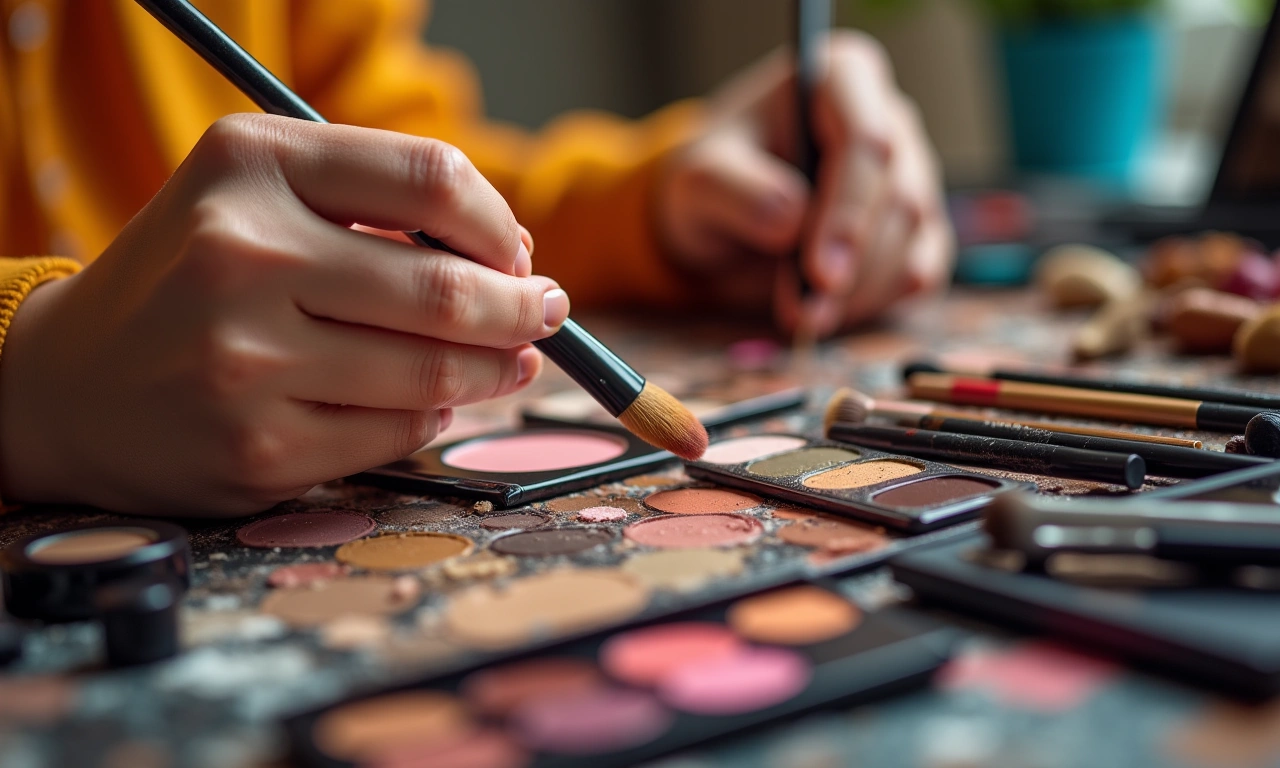
Before she formally modeled, Senatus lived as a model in spirit. She would apply makeup meticulously at home and dress in self-assembled outfits so stylish that she became a standout at school events and social gatherings.
Her creativity extended to her siblings: she styled her younger sister whenever her mother asked, combining jewelry and accessories with the eye of a trained professional.
Her mother encouraged this artistic expression, while her father viewed it with skepticism. Despite his reservations, Senatus persisted. One detail encapsulates her commitment to fashion: she has never favored flat shoes. Since childhood, high-heeled pumps have been her shoe of choice, a preference that would serve her well on future runways.
The Turning Point: How a Performance Led to Modeling
At fifteen, Senatus’s modeling career began unexpectedly. While performing a song at a show with her family in attendance, a man approached her afterward and asked if she was a model. She was not—modeling was unfamiliar territory. But he offered her a path forward: his business card and an invitation to his agency.
Her mother accepted the offer. Together they visited his agency, where he agreed to train her. For three months, this mentor—known professionally as Doudou (Delfin Bien-Aimé)—taught her the fundamentals of the industry. By her account, he was an exceptional instructor, and his death later became a defining moment in her emotional experience as a model.
The Journey to Romania and Building a Career

After her initial training, Senatus’s career accelerated when she met a Romanian at a fashion show in Haiti. He saw her potential and suggested she relocate to Romania to work with a larger agency in his hometown. After securing photographs and securing representation, she made the leap.
The agency offered her a year-long contract that has been continuously renewed. She has remained in Romania since, studying the language intensively and achieving fluency in Romanian—a skill that proved essential to her professional growth. Today, at 21, she is settled in Romania’s second-largest city, where she is engaged to a Romanian and views the country as her home.

Her family circumstances shifted dramatically following the 2010 Haiti earthquake, which devastated the country and claimed her mother’s life. After the disaster, she moved in with her father in Gonaïves, where he worked in customs. When he lost his job and turned to drinking, the environment became untenable.
Without informing him, she left Haiti and called only after reaching Romania. Reconciliation came two years later when she returned to visit, and her father’s tearful welcome signaled forgiveness.
Life as a Black Model in Romania: Challenges and Recognition
Senatus is one of very few Haitians in Romania and the only known Haitian-born model working in the country’s fashion industry. While diplomatic ties exist between Haiti and Romania, the cultural presence is minimal. Most Romanians, she notes, cannot place Haiti geographically and often confuse it with African nations.
Being a Black woman in Romania’s fashion landscape has brought both obstacles and unexpected recognition. When she first arrived, speaking no Romanian, the silence of the city unnerved her. Strangers stared openly.
Initially, this attention bothered her. Over time, she learned to navigate it—even transforming it into an asset within her industry.
A turning point came when she attended a rehearsal and began speaking Romanian. A crowd gathered, mesmerized. When she asked why they were staring, they answered candidly: they had never seen a beautiful Black woman like her in person.
The celebrities they knew—like Beyoncé—existed only on television. With Senatus standing before them, the novelty was overwhelming and transformative.
Today, she is a recognizable figure in her city. As the only Black model in her area, she appears consistently at fashion shows—on runways, as a host, and in photo shoots and commercials. A neighbor’s three-year-old who initially cried at the sight of her eventually became one of her closest friends, illustrating how familiarity and repeated exposure reshape perception.
Understanding the Modeling Industry in Southeastern Europe
In Europe, modeling demands a specific aesthetic and physical standard. Female models typically must be at least 5’10” tall with proportions that meet strict industry criteria. Senatus has faced moments when even her figure was critiqued—comments about her hips being too wide—reflecting the exacting nature of high-fashion work.
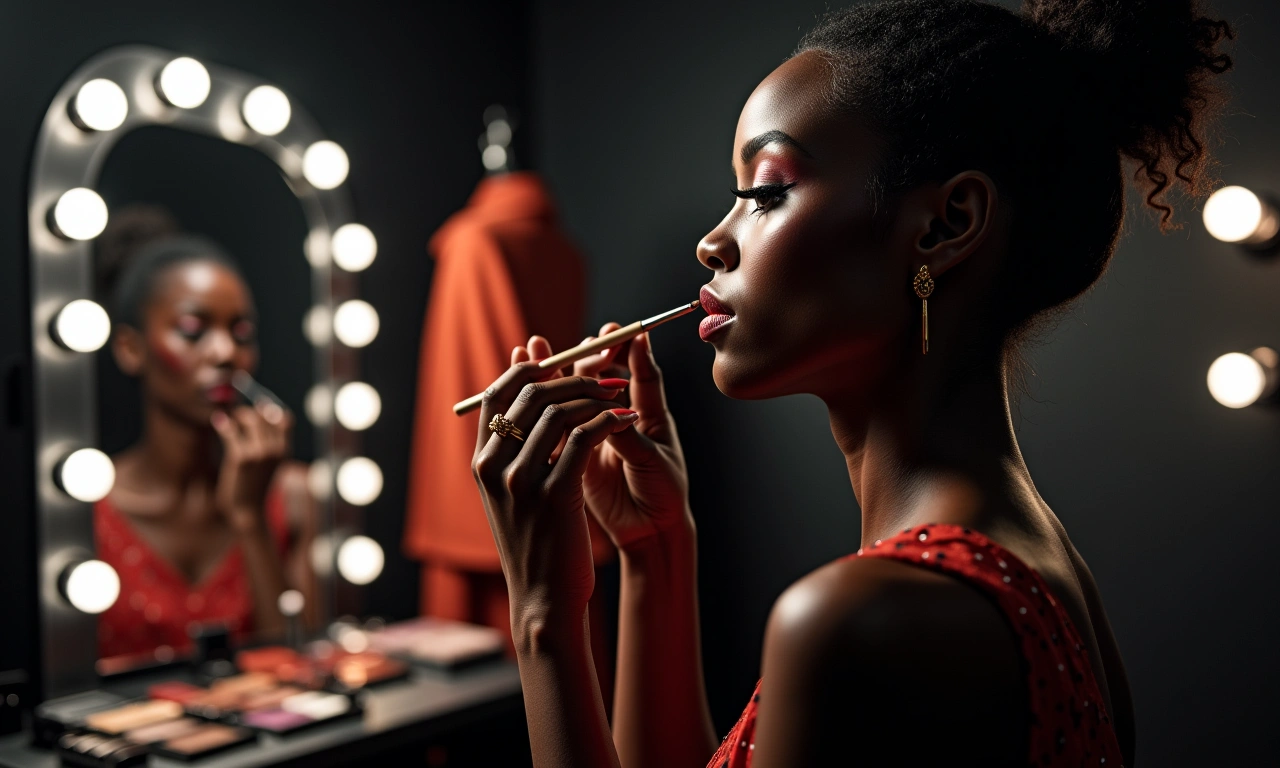
The work is grueling. Assignments come constantly, creating an exhausting but financially rewarding schedule. However, compensation varies dramatically.
Smaller shows—including mall fashion events and local boutique presentations—pay minimally. The real financial rewards come from working with established designers.
Romania’s prominent fashion houses include Catalin Botezatu, Andrea Tincu, and Laura Olteanu—designers whose shows command premium fees comparable to international standards in Italy and London. For models affiliated with these brands, work comes with stability and prestige. This two-tiered system creates stark differences in income and career trajectory.
A Milestone Moment: Romania Fashion Week
Her greatest professional moment came during her first appearance at Romania Fashion Week. When she entered the meeting room with other models, she was the only Black woman present. The collective stare—a mixture of curiosity, surprise, and intensity—triggered two contradictory emotions: profound shyness and equally profound pride.
Later, alone in her hotel room, she wept. The magnitude of her achievement struck her forcefully: the two people most responsible for bringing her this far—her trainer Doudou and her mother—were both deceased. Their absence in her moment of triumph made it bittersweet, a reminder that success lived alongside loss.
What Makes This Profile Different
- Direct testimony: Every detail comes from Senatus’s own account, presented through her answers in a candid Q&A format rather than filtered analysis.
- Cultural intersection: This profile highlights the unique position of Caribbean identity within Eastern European fashion—a rarely documented crossroads.
- Unflinching honesty about race and difference: Rather than glossing over the stares, stereotypes, and otherness Senatus experiences, she contextualizes them, showing how perception shifts with time and familiarity.
- Behind-the-scenes modeling economics: The profile exposes the stark income differences between boutique shows and high-designer work, a reality often unspoken in industry conversations.
Frequently Asked Questions
How many Haitians live in Romania?
Very few. Senatus estimates she can count them on one hand. This isolation is compounded by the absence of a robust cultural infrastructure connecting the two nations in everyday life.
What are the physical requirements for female models in European high fashion?
The standard is typically 5’10” (178 cm) or taller, with precise waist and hip measurements. Senatus’s experience reflects an industry where even within accepted parameters, bodies face critique and adjustment demands.
How has Romania’s fashion industry developed internationally?
Romanian designers like Catalin Botezatu have achieved global recognition, with shows in major cities including Paris, Rome, and New York. The country’s fashion exports have grown, particularly in ready-to-wear and haute couture segments.
What prompted Senatus to leave Haiti?
Family circumstances became unstable following the 2010 earthquake. Her mother died in the disaster, and her father’s subsequent struggles made staying untenable. A modeling opportunity in Romania offered both professional advancement and personal necessity.
Has she maintained contact with Haiti?
After an initial period of estrangement, she reconciled with her father through a personal visit two years after leaving. The reunion was emotional and mended their fractured relationship.
What is her status in Romania today?
She is engaged to a Romanian, speaks fluent Romanian, maintains ongoing modeling contracts, and considers Romania her permanent home. She continues to work regularly in fashion shows, commercials, and photo projects.
Editorial Note
This profile is based entirely on Antonnela Senatus’s direct responses to interview questions. Information about her family background, personal timeline, and modeling career reflects her own account. Historical context regarding the 2010 Haiti earthquake and Romania’s fashion industry comes from publicly available sources.
No claims about her being “the only” Haitian model in Romania are verified independently; this language reflects her own characterization. All designer names and major industry figures mentioned have been cross-referenced with contemporary fashion industry records. We welcome corrections or additional context from Senatus or her representatives.
Last Updated on January 15, 2026 by kreyolicious