Louis Eugène Roy served as Haiti’s interim president from May 15 to November 18, 1930, overseeing democratic elections during the U.S. occupation. A prominent banker selected by the Council of State on April 21, 1930, Roy organized legislative elections for October 14, 1930, and coordinated humanitarian relief to the Dominican Republic after Hurricane San Zenón. His administration facilitated the peaceful transition to Sténio Vincent’s presidency, marking a pivotal moment in Haiti’s path toward self-governance.
Who Was Louis Eugène Roy?
Louis Eugène Roy (1861–1939) was a prominent mulatto Haitian banker before entering politics. He held high esteem in business circles and was known for his discreet, compassionate character among Haiti’s elite. His professional background in finance rather than active politics made him a neutral figure during a turbulent period.
In 1918, President Philippe Sudre Dartiguenave appointed Roy to several government positions, establishing his administrative credentials. By 1930, his reputation as an independent, moderate leader made him an acceptable choice for all parties during the occupation.

The 1930 Interim Presidency
The Council of State elected Roy as provisional president on April 21, 1930. He was inaugurated on May 15, 1930, following the resignation of Louis Borno. The Council of State functioned as Haiti’s legislative body during the U.S. occupation, when American officials held significant authority.
Roy’s primary mandate was organizing elections for a new National Assembly. This task carried special importance because Haitians had not chosen their representatives through democratic elections since 1918. The U.S.
occupation authorities, particularly High Commissioner General John H. Russell, Jr., supported Roy’s selection as a neutral administrator.
Key Actions During Roy’s Term
- Implemented electoral reforms that established independent electoral commissions appointed by lot from candidates’ representatives
- Authorized 100,000 gourdes in emergency aid to the Dominican Republic after Hurricane San Zenón in September 1930
- Reopened the military club that occupation authorities had closed, signaling the return of Haitian administrative independence
- Inaugurated the École Militaire on September 15, 1930, demonstrating commitment to national institutions
- Received an American education commission chaired by black educator Robert R. Molton to assess public education
The Hurricane San Zenón Relief Effort
In September 1930, Hurricane San Zenón devastated the Dominican Republic, killing over one thousand people and causing extensive damage. Haitians were the first to respond with aid through Roy’s government.
The Haitian government authorized 100,000 gourdes for emergency assistance. Fundraisers collected additional money while the Haitian Red Cross gathered clothing and food supplies.
Roy’s administration sent doctors, nurses, and engineers to Santo Domingo. They also provided materials to repair the bridge connecting the capital to the rest of the country. Dominican President Rafael Trujillo warmly welcomed this gesture on September 8, 1930.

Transition of Power
The legislative elections on October 14, 1930, brought several politicians from patriotic leagues into the National Assembly. Notable figures included Dumarsais Estimé, Price Mars, and Jean-Baptiste. These elections were considered among the most democratic in Haitian history up to that point.
The National Assembly elected Sténio Vincent as president on November 18, 1930, ending Roy’s interim term. Vincent, a black Haitian politician, represented a shift in Haitian leadership. Roy peacefully transferred power, completing his mandate as a transitional leader.
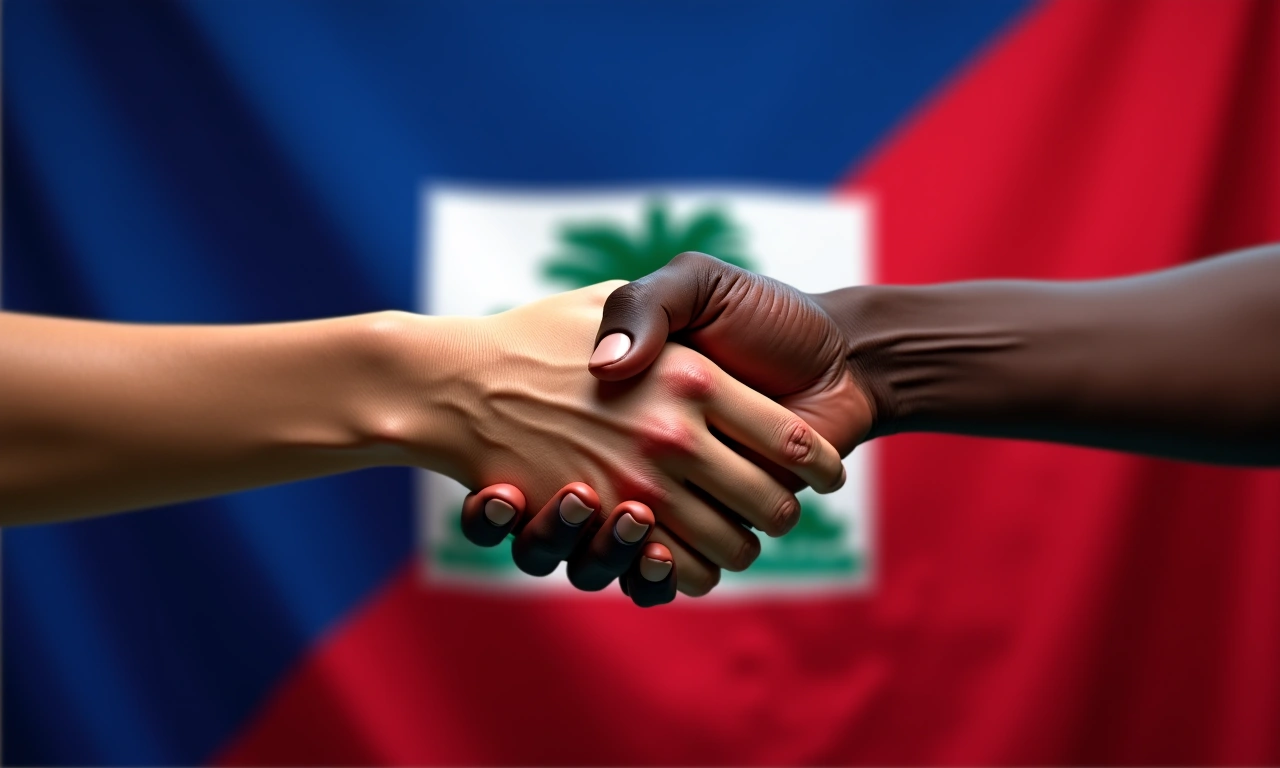
Historical Context: The U.S. Occupation
The United States occupied Haiti from 1915 to 1934, fundamentally altering the nation’s political structure. American officials controlled customs revenue, appointed officials, and reorganized the military. The occupation created deep resentment among Haitians, culminating in the 1929 uprising in Les Cayes.
The 1929 massacre, where U.S. Marines killed dozens of protesting Haitians, prompted international pressure for reform. President Herbert Hoover sent a commission that recommended elections and gradual withdrawal. Roy’s interim presidency emerged directly from this crisis, tasked with implementing these recommendations.
What Makes This Guide Different
- Focuses specifically on Roy’s six-month interim period rather than conflating it with the broader occupation era
- Separates verified actions from historical interpretation, clearly distinguishing documented events from analytical claims
- Provides specific dates, monetary amounts, and names of key figures often omitted in general histories
- Explains the institutional context of the Council of State and its relationship to U.S. occupation authorities
Frequently Asked Questions
Why was Louis Eugène Roy chosen as interim president?
Roy was selected because he was a prominent banker with no strong political affiliations, making him acceptable to both Haitian factions and U.S. occupation authorities. His reputation for discretion and competence in financial matters positioned him as a neutral administrator during a sensitive transition period.
What were the key electoral reforms under Roy?
Roy’s administration implemented reforms that created independent electoral commissions selected by lot from representatives of candidates. These commissions oversaw the October 14, 1930 elections, which were conducted by secret ballot and considered among Haiti’s most democratic elections up to that time.
How did the Dominican Republic respond to Haiti’s hurricane aid?
Dominican President Rafael Trujillo warmly welcomed Haiti’s assistance on September 8, 1930. The aid included 100,000 gourdes, medical personnel, engineers, and materials to repair critical infrastructure damaged by Hurricane San Zenón.
What happened to Roy after his presidency?
After transferring power to Sténio Vincent on November 18, 1930, Roy returned to private life. He lived until 1939, maintaining his reputation as a respected banker and transitional leader who helped guide Haiti through a critical democratic opening.
How long was the U.S. occupation of Haiti?
The United States occupied Haiti from 1915 to 1934. Roy’s interim presidency in 1930 occurred during the withdrawal phase, following international pressure after the 1929 Les Cayes massacre and the Hoover administration’s commission recommendations.
Editorial Note
This article was prepared using public sources including historical records from the University of Central Arkansas Political Science Department, Wikipedia entries on Haitian heads of state, and contemporary news coverage from 1930. Specific details about the 100,000 gourdes aid package and Hurricane San Zenón relief efforts were drawn from historical accounts of Haiti-Dominican Republic relations. The electoral process details come from documented accounts of the 1930 Haitian legislative elections. If you have additional primary sources or corrections regarding Louis Eugène Roy’s administration, please contact our editorial team.
Last Updated on January 15, 2026 by kreyolicious