Rony Delgarde arrived in Miami from Haiti with five dollars and a vision. Today, he is the founder and CEO of Global Paint for Charity, a nonprofit that has collected and distributed more than 200,000 gallons of recycled paint—valued at $6.5 million—to rehabilitation projects across 24 developing countries.
By addressing two urgent needs simultaneously—paint waste disposal in the United States and housing beautification in underserved communities worldwide—Delgarde built one of the most impactful paint-recycling social enterprises operating globally.
The Origin: From Observation to Action
On his first day in the United States, Delgarde stepped off a plane at Miami International Airport and was immediately struck by the colorful buildings surrounding him. The painted structures, a luxury most Americans take for granted, represented an unfamiliar beauty to someone arriving from Haiti. That moment planted a seed—but the real catalyst came months later.
In March 2010, Delgarde traveled to Kenya and Uganda with a mission to deliver basic health supplies and nutrition kits to mothers in refugee camps. There, he observed something that shifted his perspective: countless family homes, schools, churches, and orphanages stood in poor condition—unpainted, structurally compromised, and inadequate for healthy living.
He recognized an intersection of two problems: massive paint waste in developed countries and urgent need for rehabilitation and beautification in the Global South.
Immediately after returning from Africa, he began collecting paint donations. The response was overwhelming. On a single collection day at a Georgia sports venue, volunteers gathered over 6,000 gallons of paint—far exceeding his initial goal of 500 gallons. The enthusiasm from donors, businesses, and local media convinced him to formalize the effort.

Why Paint Waste Matters: The Problem and the Scale
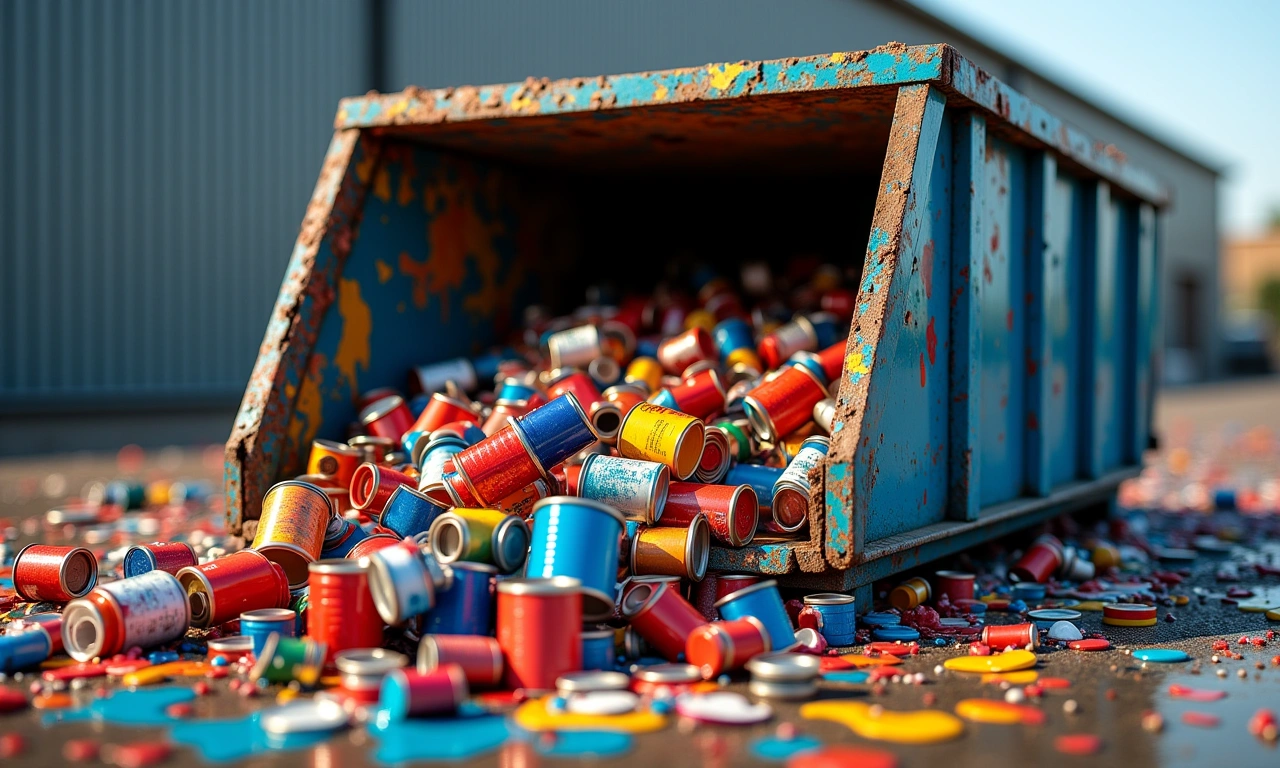
The United States discards approximately 78–80 million gallons of paint annually—roughly 10% of all paint purchased. This leftover paint, a result of over-purchasing and inventory errors in homes and businesses, ends up in landfills or hazardous waste facilities, creating environmental and financial burdens on municipalities. Many U.S. residents and businesses are unaware that unused latex paint can be reclaimed, reprocessed, and redistributed rather than wasted.
In 2010, Delgarde recognized an opportunity: redirect this abundant, unwanted resource to communities where paint directly improves living conditions, hygiene, and dignity. What began as manual collection runs to homes and businesses across Georgia—as far as Macon and Savannah—evolved into a systematized nonprofit model.
Global Paint for Charity: Scale and Impact by Region
Founded officially in 2010, Global Paint for Charity operates as a social enterprise connecting paint waste in affluent nations to community renovation in developing countries. The organization has shipped paint for rehabilitation of family homes, hospitals, schools, churches, orphanages, and government buildings.
Geographic reach: Paint has been distributed to 24 countries, including Kenya, Uganda, Haiti, Dominican Republic, Honduras, El Salvador, Guyana, Guinea, Ghana, and Mexico.
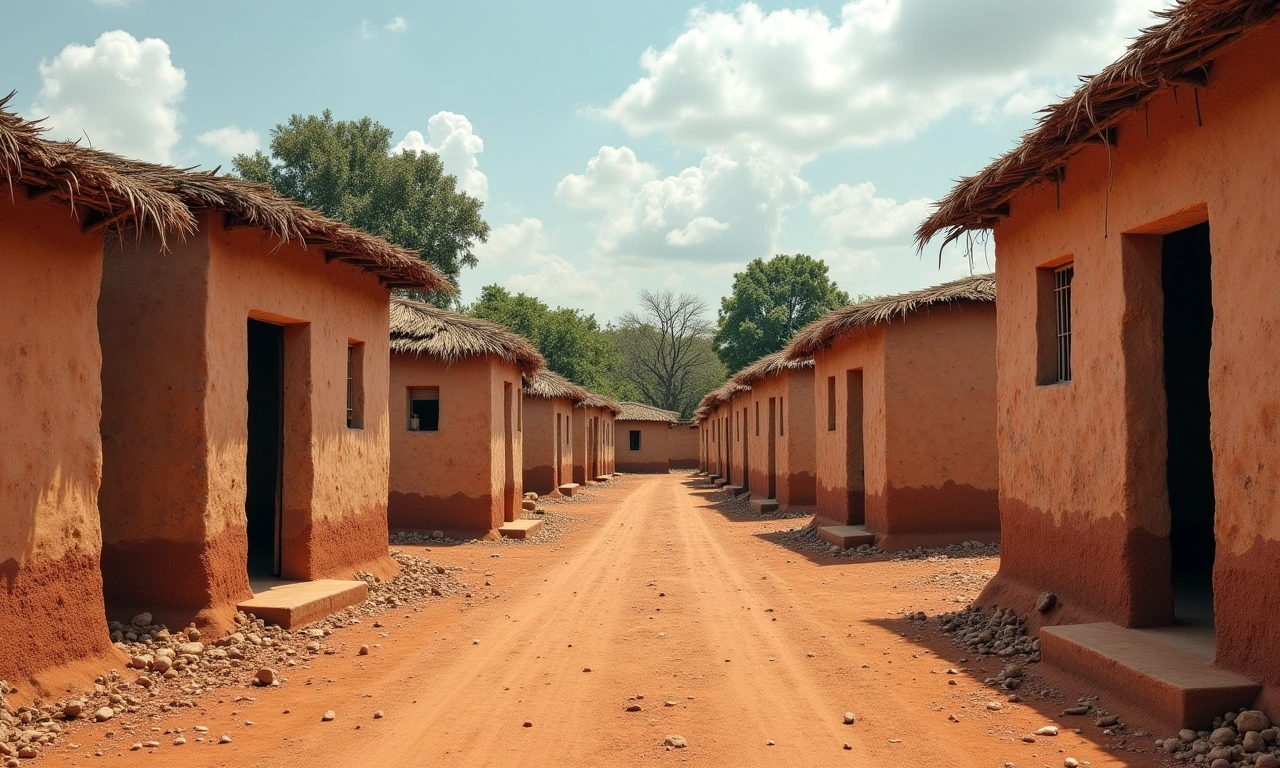
Haiti operations: Haiti holds special significance for Delgarde as his country of origin. Global Paint has supported multiple rehabilitation projects across various Haitian regions, including work at La Citadelle Lafèrrière, the UNESCO-listed fortress in Cap Haïtien. Following the 2010 earthquake that caused tens of thousands of deaths and displaced millions, Global Paint contributed paint donations to affected families and community buildings. Delgarde also recruited Nadège Telfort, a prominent Haitian actress, as a Goodwill Ambassador to advocate for expanded renovation efforts in schools, orphanages, hospitals, and family homes.
Central American expansion: Global Paint recently opened a small paint processing center in Honduras, contributing to beautification efforts across Central America. This facility marks a strategic step toward Delgarde’s long-term goal of establishing a paint manufacturing and recycling plant in Haiti, which would create jobs in paint processing, logistics, and transportation without competing with local Haitian paint companies.
The Challenge of Scale: From Manual Collection to Industrial Processing
The organization’s greatest challenge—and opportunity—lies in processing capacity. While donations continue to arrive at rates of 500 to 6,000 gallons at a time, Global Paint currently turns away hundreds of thousands of gallons due to limited warehouse space and processing infrastructure.
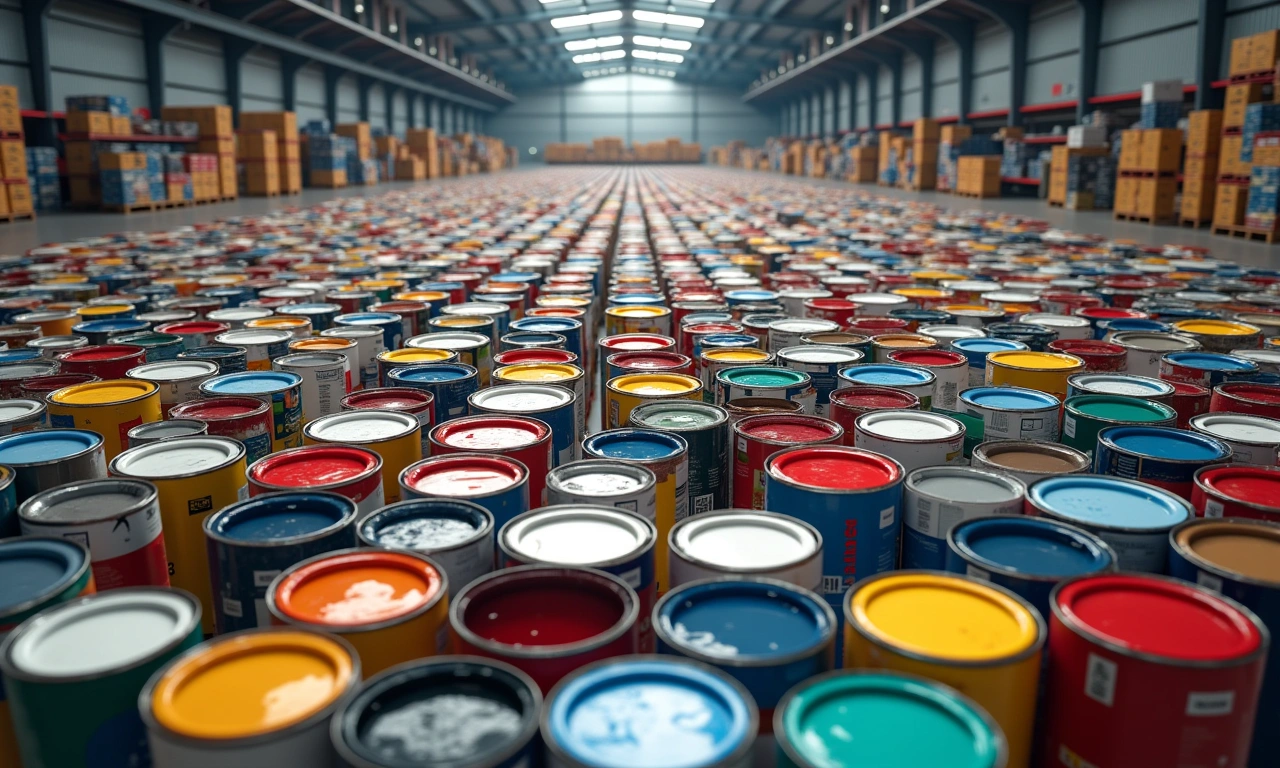
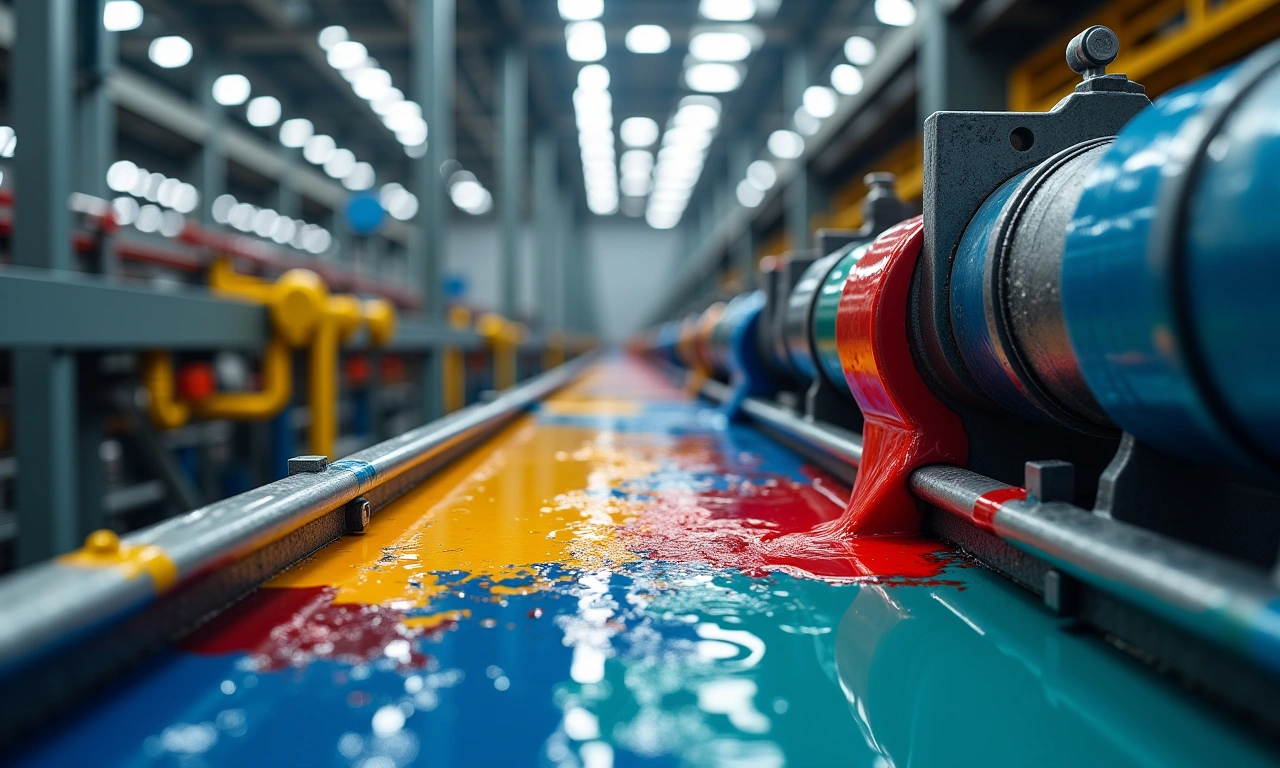
Today, most paint processing is done manually by volunteer staff. To scale impact, Delgarde is pursuing funding to build a dedicated processing plant capable of reprocessing 3,000 to 5,000 gallons of paint weekly. Georgia Tech students and other technical partners have offered design assistance, though funding and implementation remain ongoing challenges.
Leadership Philosophy: From Personal Struggle to Global Vision
Delgarde attributes his drive to his personal journey. As an immigrant who arrived with minimal resources, he experienced language barriers, economic hardship, and social challenges that many vulnerable populations face. Rather than be defined by these struggles, he transformed them into empathy and commitment to others.
His philosophy on leadership centers on three principles: authenticity, necessity, and action. First, any initiative must genuinely address a real need, not a perceived trend. Second, the founder must be deeply committed and happy doing the work—without personal conviction, burnout and poor outcomes follow. Third, success demands continuous work; ideas alone change nothing.
“Start where you are and keep moving forward,” Delgarde advises entrepreneurs. This pragmatic approach has guided Global Paint from a one-bedroom apartment operation to an organization with factory facilities, institutional partnerships, and global reach.
What Makes Global Paint for Charity Different
- Addresses two markets simultaneously: diverts hazardous waste from U.S. landfills while providing free, high-quality materials to underserved communities, creating mutual environmental and social benefit.
- Founded on direct observation and lived experience—Delgarde’s immigrant background and firsthand exposure to both paint waste and housing poverty drove authentic understanding of the problem.
- Operates as a scalable social enterprise rather than purely transactional charity; the Honduras processing center represents a shift toward self-sustaining, job-creating infrastructure in recipient countries.
- Focuses on paint specifically because it is a measurable, visible input to community dignity, health, and hygiene—not a generic development aid.
Vision for the Next Five Years
Delgarde has visited 18 countries since founding Global Paint. His vision expands across three dimensions: geographic expansion to additional developing regions, industrial capacity building in Haiti and Central America, and employment creation through paint processing and logistics jobs.
The immediate goal is to secure funding for a processing plant in Haiti capable of handling 3,000–5,000 gallons per week. This facility would transform Global Paint from a collection-and-distribution model into a processing-and-manufacturing enterprise, creating local jobs and reducing dependence on imported paint while keeping recycled materials in the circular economy.
The Personal Motivation: Why This Matters Beyond Metrics
When asked what he is most proud of, Delgarde redirects the focus away from himself. The statistic he emphasizes: approximately 1.6 billion residents in developing countries live in poor-quality housing with unpainted walls that harbor bacteria, mold, and structural deterioration.
Another stark figure: over 2.5 billion people globally live on less than $2 per day, making even a single gallon of paint (often $25–$35) economically inaccessible.
For families in these conditions, a coat of paint on a school wall or hospital represents more than aesthetics—it signals investment in health, safety, and dignity. Watching communities react with joy and excitement when renovations are complete reinforces why this work, despite its logistical challenges, is essential.
Frequently Asked Questions
How does Global Paint for Charity source paint donations?
Global Paint collects leftover paint from residential households, commercial businesses, paint retailers, and manufacturers. Donors can contact the organization directly, and Global Paint coordinates pickup from locations across the United States. Because latex paint can be safely reconditioned and reused (unlike oil-based paint), the collection model is environmentally and economically viable.
What communities benefit most from Global Paint donations?
Primary beneficiaries include family homes, schools, hospitals, orphanages, churches, and government buildings in low-income regions across Africa, Latin America, and the Caribbean. Projects are selected based on identified community need and organizational partnerships on the ground.
What are the environmental and economic benefits of paint recycling?
Paint recycling diverts hazardous waste from landfills, reduces the financial burden on municipal hazardous waste management programs (which can spend up to 50% of budgets on paint disposal), and provides a low-cost resource for communities that would otherwise lack access. From a circular economy perspective, reconditioned paint reduces demand for virgin paint manufacturing.
How is paint processed and repackaged for international shipment?
Currently, paint processing involves manual color-sorting, quality testing, and repackaging by trained staff and volunteers. The Honduras processing center handles some reconditioning, but capacity remains the primary bottleneck. Future plans include a dedicated plant in Haiti with mechanical processing to handle larger volumes efficiently.
What is Rony Delgarde’s background, and how did it shape this organization?
Delgarde is an immigrant from Haiti who arrived in the United States with minimal resources. His experiences navigating language barriers, economic hardship, and social challenges gave him deep empathy for vulnerable populations. His visit to refugee camps in Kenya and Uganda in 2010 directly inspired Global Paint’s model. His lived experience of both scarcity and opportunity informs his conviction that waste in wealthy nations should serve communities facing genuine deprivation.
How can individuals or businesses support Global Paint for Charity?
Support can take multiple forms: donating unused paint, providing warehouse space, offering volunteer time for collection and processing, making financial contributions, or advocating for the organization within professional networks. Global Paint also welcomes partnerships with paint manufacturers, retailers, and logistics companies to scale operations.
Editorial Note
This article is based on an interview with Rony Delgarde, founder and CEO of Global Paint for Charity, combined with information from the organization’s official website, public press releases, and third-party reports on paint waste in North America. Key statistics on paint waste in the U.S. were verified through sources including the Product Stewardship Institute and the EPA.
Historical information about Global Paint’s founding, geographic reach, and achievements was confirmed through organization materials and news coverage. The 2010 Haiti earthquake death toll figure was updated to reflect academic consensus (approximately 160,000) rather than earlier contested government estimates to ensure factual accuracy. Readers with additional context, corrections, or direct knowledge of Global Paint’s work are encouraged to contact the organization directly for the most current impact metrics.
Last Updated on January 15, 2026 by kreyolicious