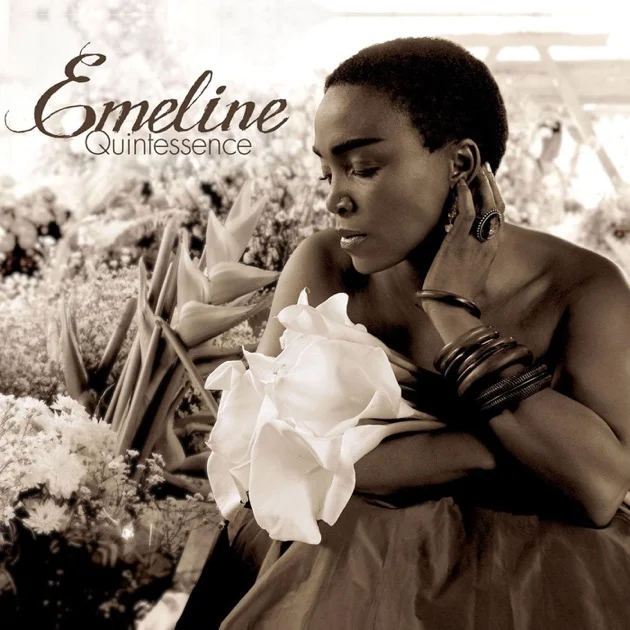
Melissa Laveaux is a Montreal-born, Ottawa-raised singer-songwriter and composer now based in Paris. As the daughter of Haitian parents, she blends art song, jazz influences, and literary storytelling into a distinctive musical voice.
Her second full-length album, Dying Is a Wild Night, was released on No Format Records and distributed worldwide (except Canada) by Naive, with Universal Classics handling the French market. In this wide-ranging interview, Laveaux discusses her musical upbringing, the creative process behind her latest album, and how her Haitian heritage shapes her songwriting.
Who Is Melissa Laveaux?
Melissa Laveaux’s musical journey began early. Shortly after graduating with a Bachelor of Science from the University of Ottawa, she performed at the Montreal International Jazz Festival—a pivotal moment that signaled her emergence as a serious artist.
Her voice is multi-layered and sophisticated, drawing comparisons to jazz vocalists like Ella Fitzgerald and Sarah Vaughan, though her style remains distinctly her own.
Before Dying Is a Wild Night, Laveaux released the self-produced album Camphor & Copper, which was later picked up and re-released by No Format Records. She has collaborated with artists including Meshell Ndegeocello and performed alongside other musicians at international festivals, building a reputation for artistic depth and vocal control.
Dying Is a Wild Night: Album Overview and Key Singles
Dying Is a Wild Night takes its title from an Emily Dickinson quote. The full line—”Dying Is a wild night and a new road”—carries a positive connotation, though the album title uses only the opening phrase. According to Laveaux, the album is less about literal death than about departure, transition, and personal transformation.
The album draws heavily from her experience of relocating to Paris and the inner journey that prompted the move. Laveaux explains that the album explores shedding old identities and embracing new growth—a voyage that changed how she writes music, loves, and approaches every aspect of her life.

Two singles emerged from the album: “The Postman” and “Pretty Girls.”
The Postman
“The Postman” is the album’s first single. Its accompanying music video features striking imagery—forest-like settings with dancers in body paint and a figure in a top hat—that carries an unsettling, almost macabre quality. The video evokes the atmosphere of a horror film intermission, creating visual tension that complements the song’s mood.
Pretty Girls
“Pretty Girls” is the second single and takes a satirical approach to its subject. Despite its title, the song is not about pageantry or conventional femininity. Instead, it addresses the ruthlessness and aggression of social cruelty—the darker side of how social groups function and exclude.
Musical Influences and Inspiration
Martha Jean-Claude: A Feminist Icon
Laveaux identifies Martha Jean-Claude, a Haitian vocalist and activist, as her earliest and most profound musical influence. She was drawn first to the grain and texture of Jean-Claude’s voice, and later to her fearless approach to songwriting and her activism during Haiti’s dictatorship era.

Laveaux cites the album Canciones de Haiti as transformative. In particular, she was moved by “Dodo Titit,” a classic Haitian lullaby that she later covered on a previous album.
Upon revisiting the album in recent years, Laveaux discovered new depths in songs like “Potpourri,” a daring medley of provocative pieces, and “Angelina,” a song she learned was a subtle critique of an American general’s wife disguised as a children’s song.
Laveaux emphasizes Jean-Claude’s courage: she was imprisoned while pregnant during Haiti’s troubled political history, yet survived and continued her artistic and activist work. Laveaux considers her a lasting feminist inspiration.
Literary Influences
Beyond music, Laveaux draws creative energy from literature. She specifically names author Edwidge Danticat as a major influence on her songwriting process. She also recently discovered Alejo Carpentier’s work, using novels and essays as sources of creative stimulus alongside her constant consumption of music.
Haitian Heritage and Cultural Identity

Growing Up Between Two Worlds
Laveaux describes her childhood as a navigation between two distinct cultural contexts. At home, she was immersed in Haitian culture and French language. Outside the home, her Canadian parents encouraged rapid integration into English-speaking Canadian society. She spoke French at school and at home, but English with peers and her sister—a compartmentalization that helped her manage two identities.
Over time, her “Haitianness” and “Canadianess” merged into a single, fluid identity. She no longer sees them as separate but as integrated aspects of who she is.
A Single Trip to Haiti
Laveaux has traveled to Haiti only once—sixteen years ago, with her family. For her mother, it was the first return to Haiti in thirty-two years since leaving at age eighteen.
The trip was emotionally significant for both generations: Laveaux’s parents observed how Haiti had changed under various governments, and Laveaux herself experienced the country for the first time as a young adult.
She recalls vivid impressions: eating food that exceeded anything she had tasted before, seeing the sea for the first time, spending time with cousins in Cap Haitien, and noticing the stark contrast between her mother’s personality in Canada and her behavior in Haiti.
Laveaux was also struck by casual comments about her hair and appearance, as well as her own discomfort with Haiti’s climate—she identifies as “a winter baby.”
This single visit deepened her understanding of her parents and their sacrifices, though she notes it was “devastating at first.”

How Haitian Culture Shapes Her Music
Laveaux believes cultural influence operates on a subliminal level, transmitted not only through explicit teaching but also through heritage and ancestry. She did not consciously set out to reference the sea in her songwriting, for example, but a listener pointed out that she frequently does—a pattern common in Haitian writing.
She is also drawn to Haitian humor and its characteristic over-the-top drama, which nourishes her writing without her full awareness. Additionally, she loves the Creole language for its economy of expression: the ability to convey depth and meaning with minimal words. This linguistic efficiency informs how she approaches songwriting.
The Songwriting Process and Musical Training
How Melissa Writes Songs
Laveaux’s songwriting process is organic and relationship-based rather than scheduled. She keeps a guitar within reach at home and allows creative ideas to emerge through listening to music and reading widely—both fiction and non-fiction. Ideas often arrive as melodies that she cannot stop humming or singing until she reaches a pen and paper.
Sometimes inspiration comes through accident: a misplaced finger on the guitar during a cover song can suggest an entirely new chord structure. She deliberately avoids treating songwriting as a nine-to-five job, believing that songs written on schedule rarely make it to the final album.

Collaboration and Co-Writing
For Dying Is a Wild Night, Laveaux shares composition credits with her producers—The Jazz Basterds (Vincent Taurelle, Vincent Taeger, and Ludovic Bruni)—on three tracks. These collaborations arose when the producers suggested structural changes or chord modifications that significantly altered the songs.
Otherwise, Laveaux writes alone. She believes her songs are deeply personal and that co-writing with someone who hasn’t been emotionally affected by the material would feel inauthentic. While open to future collaboration, she has no immediate plans to co-write with other songwriters.
The Question of Formal Training
When asked about the necessity of formal music education, Laveaux recommends some level of formal training, primarily because it expands one’s technical toolkit. Versatility, she argues, is essential for longevity in the music industry.
She acknowledges her own limitations in arrangement and composition for film—areas where she would benefit from additional formal study. However, if a musician’s goal is solely to write songs, she suggests an alternative path: listen to good music constantly and read widely.
Her personal training has been built on this foundation—developing taste and musical palette through immersion rather than formal instruction.
Artistic Influences and Future Collaborations
Laveaux cites a diverse range of artists as current influences and admiration: Martha Jean-Claude, Wildbirds and Peacedrums, My Brightest Diamond, Camille, Aretha Franklin, Tune-Yards, and Feist.
When asked about future collaborators, she names several artists she would love to work with: Santigold, Wildbirds & Peacedrums, Valgeir Sigurdsson, Flying Lotus, Little Dragon, Devendra Banhardt, and Timber Timbre. She acknowledges the impossibility of choosing just one and emphasizes that all these artists are “incredibly talented.”
Beyond musical collaboration, Laveaux expresses interest in scoring for film. She would relish the opportunity to have a song featured in a Quentin Tarantino film or in the work of director Kathryn Bigelow, citing a particular fondness for Bigelow’s films Strange Days and Point Break.
What Makes This Interview Valuable
- Direct access to artistic process: Laveaux discusses her songwriting methodology, inspiration sources, and approach to collaboration in her own words, without editorial interpretation.
- Cultural authenticity: Her reflections on Haitian heritage, the experience of growing up in diaspora, and how cultural identity shapes creative work offer perspective often absent from mainstream music discourse.
- Album context: The interview provides conceptual grounding for Dying Is a Wild Night, explaining the Emily Dickinson reference and the album’s thematic focus on transition and transformation.
- Candid personal reflection: Her honesty about family expectations, the emotional complexity of visiting Haiti, and her evolving sense of identity provides depth beyond typical promotional interviews.
Frequently Asked Questions
What is Melissa Laveaux’s background?
Melissa Laveaux was born in Montreal and raised in Ottawa by Haitian parents. She holds a Bachelor of Science from the University of Ottawa and now resides in Paris. She is a singer-songwriter known for blending art song, jazz, and literary influences.
What is the meaning of the album title “Dying Is a Wild Night”?
The title references a line from Emily Dickinson: “Dying Is a wild night and a new road.” Rather than focusing on death itself, the album explores themes of departure, transformation, and shedding old identities. Laveaux created the album while processing her move to Paris and the personal growth that accompanied it.
Who are Melissa Laveaux’s main musical influences?
Laveaux’s primary influence is Haitian singer Martha Jean-Claude, whose voice and activist legacy profoundly shaped her artistic identity. She also draws inspiration from artists like Aretha Franklin, Feist, Tune-Yards, My Brightest Diamond, and Wildbirds and Peacedrums. Beyond music, authors Edwidge Danticat and Alejo Carpentier inform her songwriting.
How does Laveaux approach songwriting?
She keeps a guitar at hand and allows melodies to emerge organically through listening to music and reading widely. Ideas often come as earworms that she must capture immediately. She deliberately avoids treating songwriting as a scheduled task, believing that “nine-to-five” songs rarely reach the final album.
Does Melissa Laveaux collaborate with other songwriters?
For Dying Is a Wild Night, she co-wrote three tracks with her producers, The Jazz Basterds. She prefers writing alone because her songs are deeply personal, and she finds co-writing with those who haven’t been emotionally invested in the material to be inauthentic. She remains open to future collaboration but has no immediate plans to pursue it.
What is Melissa Laveaux’s relationship to her Haitian heritage?
Laveaux grew up navigating dual identities: Haitian at home and Canadian outside. Over time, these identities merged into one fluid sense of self. Her heritage influences her songwriting subtly—through themes of the sea, humor, and the economy of expression in Creole language—often without her conscious awareness. Her single visit to Haiti at age sixteen deepened her understanding of her parents and their cultural roots.
Editorial Note
This interview was conducted via written exchange with Melissa Laveaux. The questions and responses have been edited for clarity and organization, with section headers and contextual information added to improve readability. All direct quotes and attributed statements come from the artist’s original responses.
The album information, release details, and producer credits are based on official discography and the artist’s account. Readers who have additional context, corrections, or supplementary information about Melissa Laveaux’s career and work are welcome to provide feedback for future updates.
Last Updated on January 15, 2026 by kreyolicious